


Learning how tournament double elimination brackets work starts with one simple rule that requires a competitor to lose twice before getting knocked out. Unlike standard knockout cups where a single bad series ends your run immediately, this format gives every team or player a built-in safety net.
Major events like EVO, The International, and VALORANT Champions rely on this structure to make sure the best rosters actually reach the final stage. If you get confused when broadcasters talk about upper finals or bracket resets, let’s walk through how the whole system operates!
The Two Sides of a Double Elimination Bracket
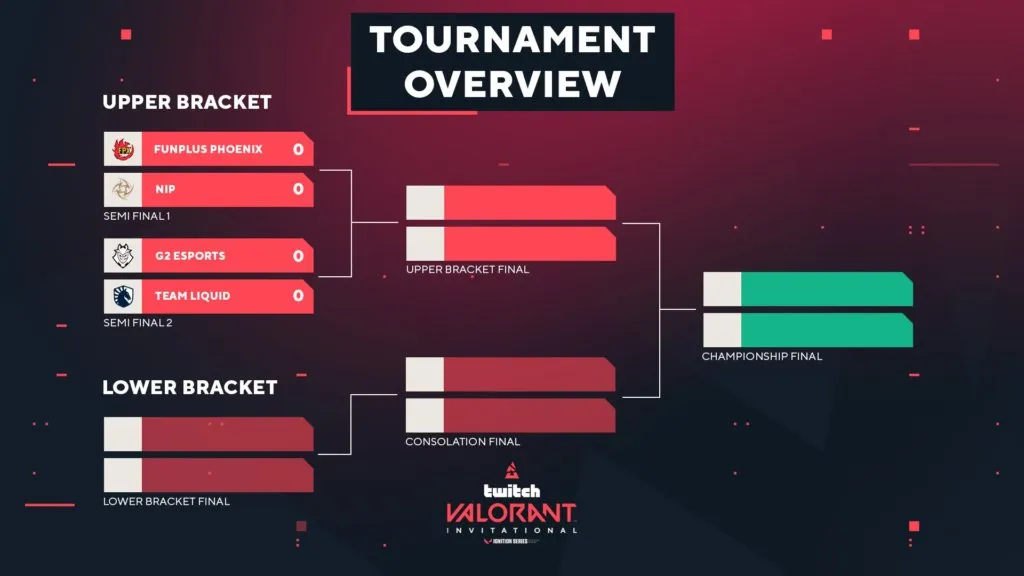
Every double elimination tournament splits the schedule into two separate paths that run side by side until the championship match. All participants begin on the top half of the bracket and only drop down once they suffer their first defeat.
1. The Upper Bracket
The Upper Bracket, often called the Winners Bracket, holds every player or team that remains undefeated in the tournament. Winning your series keeps you moving forward along this top path, which requires fewer total matches to reach the Grand Finals.
Organizers usually seed top-ranked contenders onto opposite ends of the Upper Bracket so favorites do not knock each other out in round one. Staying undefeated also rewards teams with extra rest days and better map selection privileges later in the event.
2. The Lower Bracket
The Lower Bracket, known as the Losers Bracket, catches everyone who drops their first match on the upper side of the tournament. Once a squad lands in this half of the draw, every single series becomes an immediate elimination match with zero room for another mistake.
Teams in the Lower Bracket have to play significantly more games than undefeated squads just to stay alive in the tournament. Every round pairs Lower Bracket survivors against fresh teams that just dropped down from the Upper Bracket after losing a later match.
How Teams Move Through Each Round
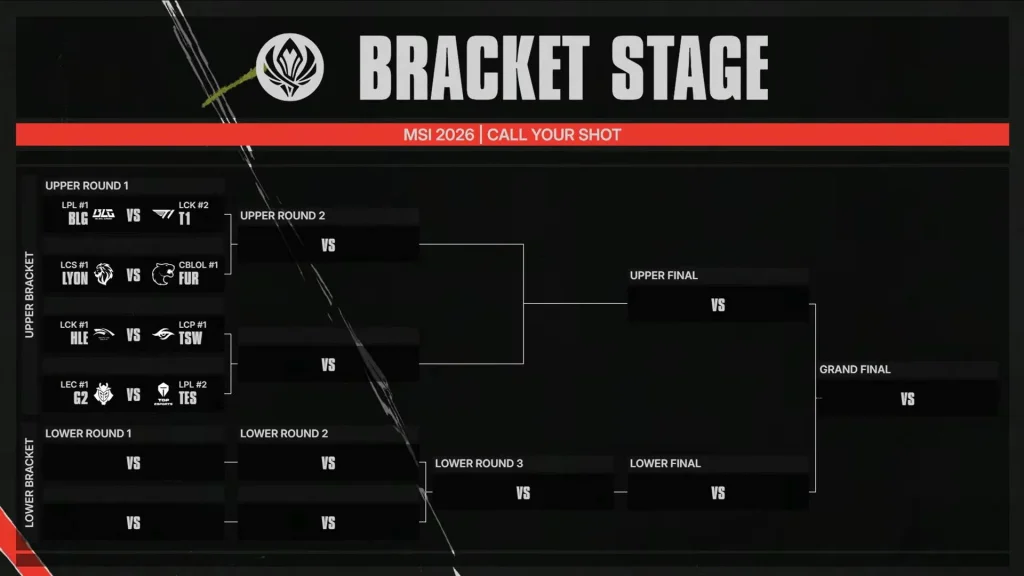
Tournament brackets use specific cross-seeding rules whenever players drop from the Upper Bracket into the Lower Bracket. Organizers flip the pairings across opposite sides of the bracket so two teams that just played each other do not immediately face off in a rematch.
1. Surviving a Lower Bracket Run
Making a deep run through the Lower Bracket tests a squad’s stamina and map pool far more than cruising through the upper side. Players often compete in back-to-back best-of-three or best-of-five series on the final weekend while upper finalists watch from backstage.
That extra stage time can occasionally help a Lower Bracket team build unstoppable momentum and warm up their aim before facing a cold opponent. Fighting through five or six elimination matches in a row turns underdog rosters into instant crowd favorites.
2. How Bracket Resets Work in the Grand Finals
The Grand Finals pit the undefeated Upper Bracket champion against the survivor who fought all the way out of the Lower Bracket. Because true double elimination requires two losses to eliminate any competitor, the Upper Bracket finalist enters this final match with an extra life intact.
If the Lower Bracket challenger wins the first Grand Finals series, both teams now hold one loss each, triggering what commentators call a bracket reset. Both competitors immediately play a second decisive series right afterward to crown the true champion of the tournament.
Fighting game tournaments like EVO always use full bracket resets because a best-of-five set takes around twenty minutes to finish. Team esports like Counter-Strike 2 and VALORANT usually skip the second series due to five-hour broadcast limits, awarding the Upper Bracket finalist two map bans instead.
Why Do Esports Organizers Use Double Elimination?

Single elimination formats work well for massive open qualifiers where hundreds of amateur squads need to be narrowed down quickly. Once a tournament reaches its main playoff stage, however, organizers switch to double elimination to protect competitive integrity.
1. Protecting Top Seeds From Early Upsets
An unexpected strategy, a rough illness, or a terrible map draft can cause a championship favorite to stumble in their opening series. Double elimination prevents a single off-day from ruining months of practice and sends the stumbling favorite down to prove themselves in the Lower Bracket.
Fans also get far better value out of arena tickets because star players and popular rosters stay in the tournament for at least two full series. By the time Championship Sunday arrives, the remaining contenders have earned their spot through multiple high-pressure tests.
2. Creating Natural Rivalries and Rematches
Splitting the bracket into two halves frequently sets up rematch storylines between rivals who clashed earlier in the week. A team that lost in the Upper Bracket semifinals can study the replay, fix their defensive setups, and meet that same opponent again in the Lower Bracket finals.
Seeing how a roster adapts its tactics for a second confrontation against the exact same squad adds serious depth to playoff broadcasts. Viewers get to watch coaches counter-draft specific agents or heroes that caused problems during their first meeting.
Double Elimination vs. Single Elimination Formats

A single elimination tournament with eight teams requires only seven total matches to crown a winner. Running an eight-team double elimination bracket expands the schedule to fourteen or fifteen matches depending on whether the Grand Finals reset occurs.
Doubling the match count demands extra broadcast days and higher production budgets, which is why smaller online cups avoid the format. You can inspect the exact mathematical bracket formulas on the Double-Elimination Tournament Wikipedia page if you plan on hosting your own local community event.
Tracking both sides of the draw makes watching major esports playoffs much easier to follow from the opening round to the trophy lift. Next time you tune into a tournament weekend, check which side of the bracket your favorite squad sits on to see how many lives they have left.
Want more gaming news and esports explainers in your daily feed? Check out the Another Gaming Post Facebook and Another Gaming Post Instagram pages for fresh updates!