

Most competitive gaming leagues once forced every squad to fight through brutal open qualifiers just to keep their jobs. Modern esports franchising replaces that constant risk with permanent partner slots backed by major game publishers.
Team owners gain steady sponsorship security while fans get to follow familiar rivalries all year long. Let’s break down how these closed leagues work and why publishers rely on them!
How Esports Franchising Works
Game developers control the intellectual property of their titles, which gives them complete authority over official tournament circuits. Moving to a franchised model transforms an open tournament circuit into a closed, predictable broadcast product with fixed team rosters.
1. Permanent League Slots and Buy-Ins
To join a traditional franchised league, an esports organization pays a multi-million-dollar entry fee directly to the game publisher. Paying that upfront buy-in guarantees the team a permanent seat at the table for every regular season and playoff split.
Because their league spot stays safe regardless of match results, team owners can plan multi-year roster builds without fearing sudden relegation. Organizations that want to leave the league later can sell their franchise slot to another approved buyer.
2. Revenue Sharing Between Publishers and Teams
Franchised leagues pool money generated from broadcast rights, league-wide sponsorships, and digital in-game cosmetics. The publisher then distributes a fixed percentage of that revenue pool evenly among every partnered organization in the league.
Selling team-branded weapon skins, player stickers, and summoner icons gives fans a direct way to fund their favorite rosters. Strong digital sales often generate more reliable income for partnered teams than tournament prize money alone.
Famous Examples of Franchised Esports Leagues
Several of the biggest competitive titles in the world operate under franchised or partnered league structures. Each publisher tweaks the exact financial rules to fit its player base and regional broadcast schedule.
League of Legends (LCS, LEC, and LCK)
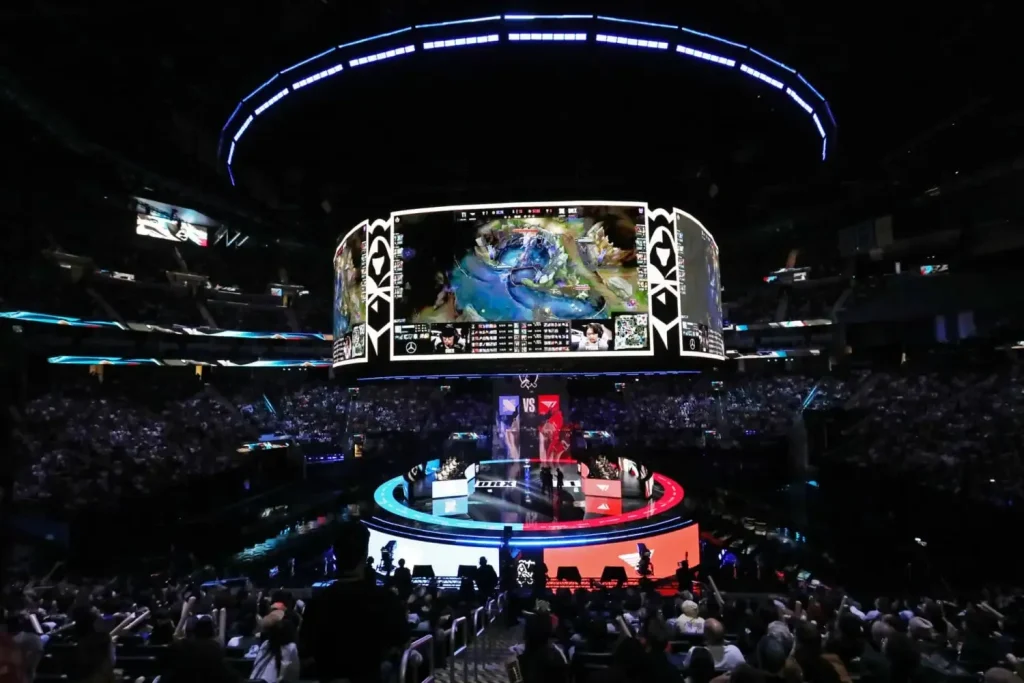
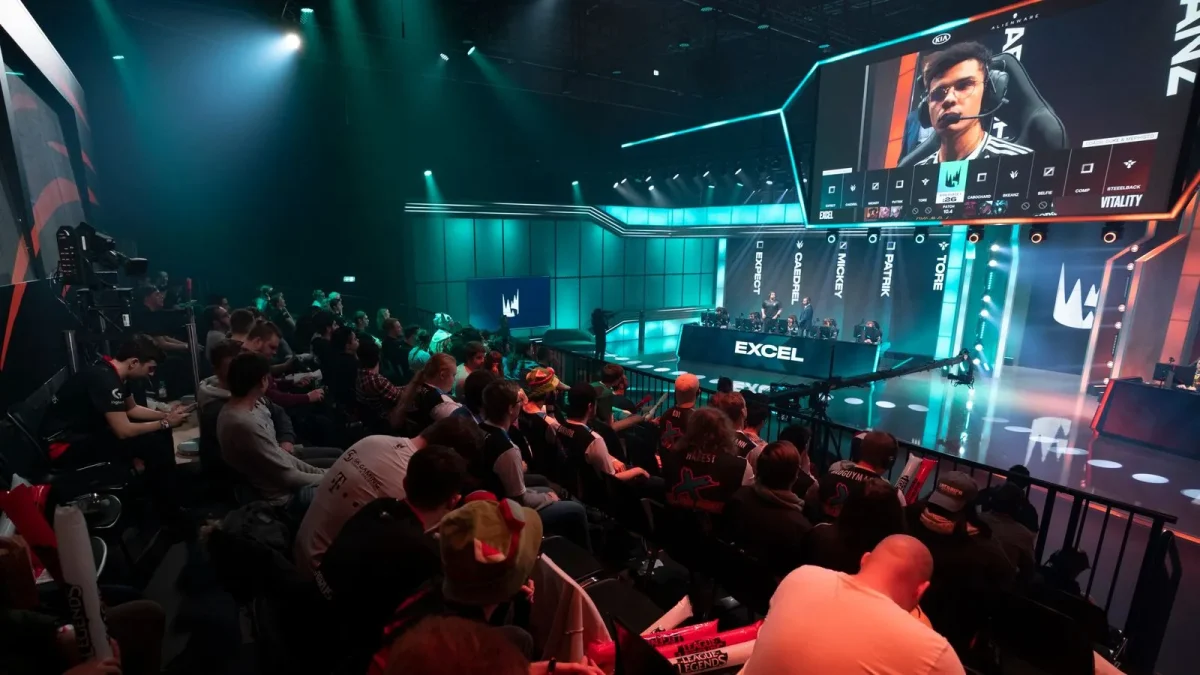
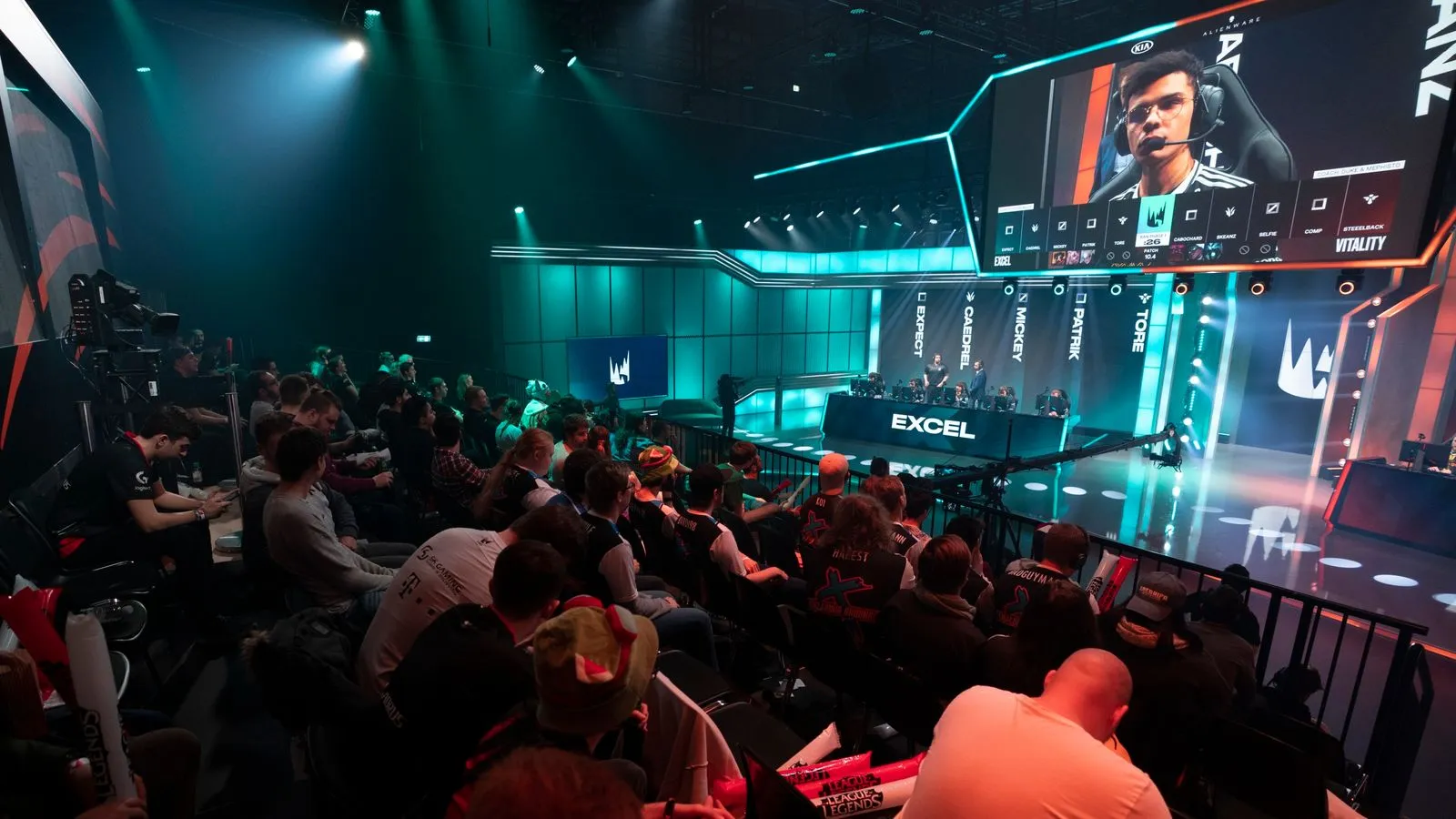
Riot Games pioneered modern esports franchising in League of Legends by locking in ten permanent partner teams per major regional league. Regions like North America’s LCS, Europe’s LEC, and South Korea’s LCK adopted permanent slots to stabilize team operations and attract mainstream corporate sponsors.
Partnered squads compete across spring and summer splits to qualify for international events like the Mid-Season Invitational and Worlds. You can check the current roster of partnered European teams on the Liquipedia League of Legends LEC page to see how long these brands have held their seats.
VALORANT Champions Tour (VCT) Partnership Model
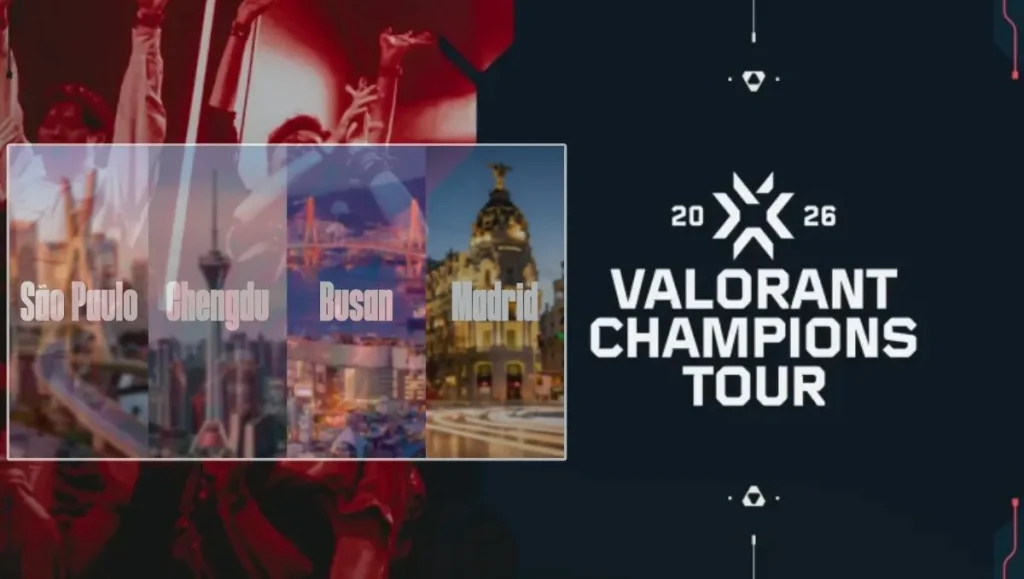
Riot Games adjusted its approach for VALORANT by introducing a partnership model that requires zero upfront buy-in fees from selected teams. Instead of charging organizations millions of dollars, Riot handpicked forty-eight global rosters across four international leagues and paid them annual stipends to support their players.
Tier-two squads can still earn temporary promotion into the main VCT leagues by winning regional Ascension tournaments. Those promoted teams keep their spot in the top league for two years before defending their seat against fresh challengers.
Call of Duty League (CDL)
Activision launched the Call of Duty League using a city-based franchise system modeled directly after traditional North American sports. Twelve organizations paid reported twenty-five-million-dollar buy-in fees to represent major cities like Atlanta, Dallas, and Toronto.
Each franchise hosts live home-series weekend majors in front of local crowds throughout the competitive calendar. Teams earn CDL points during online qualifiers and LAN majors to lock in their seed for the end-of-season Championship Weekend.
Benefits of Franchising for Teams and Players
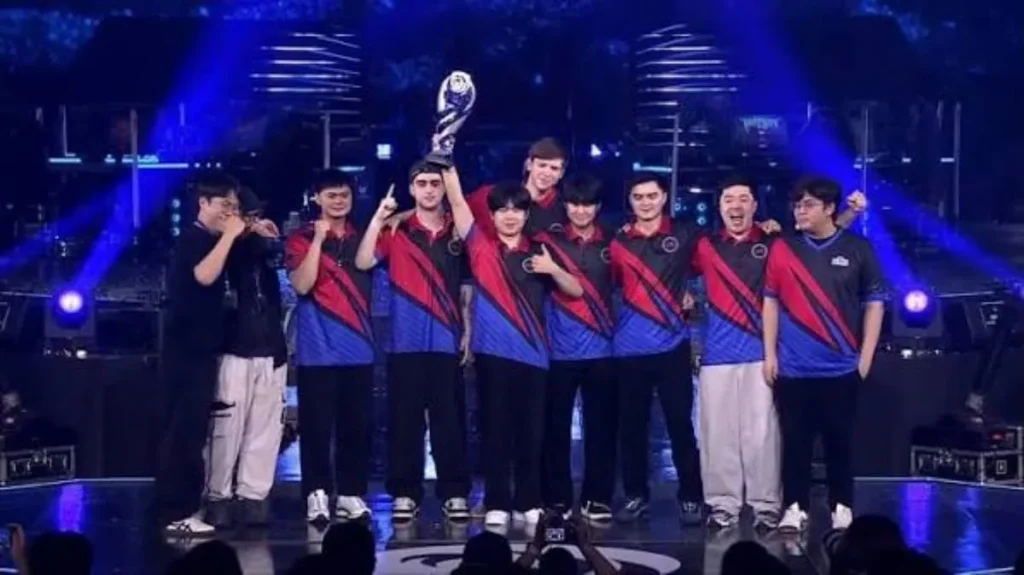
Before franchising arrived, a single bad month could knock a famous esports brand out of top-flight competition overnight. Losing league status immediately dried up sponsorship money and forced organizations to release their entire roster.
1. Financial Stability and Long-Term Sponsors
Major consumer brands hesitate to sign multi-year sponsorship deals if a team might disappear from broadcasts next month. Guaranteed airtime across every regular season split gives sponsors predictable visibility for their logos and commercials.
Team owners use that steady sponsorship income to build dedicated training facilities and hire full coaching staffs. Having a permanent home in the league turns volatile gaming startups into stable media businesses.
2. Better Salaries and Player Protections
Franchised leagues enforce strict minimum salary rules and standard contract guidelines for every signed pro player. Competitors receive health insurance, housing stipends, and guaranteed contract payouts even if they move to the substitute bench.
Knowing their paycheck will clear on time lets players focus completely on scrims and mechanical practice. Many franchised leagues also support player associations that negotiate directly with publishers over schedule breaks and working conditions.
Criticisms and Drawbacks of Franchised Leagues
Locking the doors to a top league solves financial headaches for owners while creating tough competitive trade-offs for fans. Viewers often debate whether closed leagues hurt the raw excitement that made grassroots esports popular in the first place.
1. No Relegation or Underdog Cinderella Runs
Removing relegation eliminates the high-stakes drama of bottom-table teams fighting desperately to keep their jobs at the end of a split. Bottom-ranked franchises sometimes field cheap budget rosters for an entire year without facing any competitive penalty for finishing in last place.
Grassroots squads also lose the thrill of qualifying from an open bracket to upset established giants on a major stage. Without an open path to the top trophy, aspiring amateurs face a much steeper climb to get noticed by scouts.
2. Massive Buy-In Costs
Early franchise buy-ins priced teams between ten million and sixty million dollars based on optimistic broadcast growth projections. When viewership growth slowed down and sponsors tightened marketing budgets, several organizations struggled to pay off their remaining slot installments.
Publishers like Activision Blizzard eventually waived unpaid franchise fees and refunded millions of dollars to help struggling organizations stay afloat. Newer leagues now favor zero-fee partnerships over massive upfront buy-ins to keep team budgets healthy.
Franchised Leagues vs. Open Circuit Ecosystems
Games like Counter-Strike 2 and Dota 2 reject permanent franchising in favor of open tournament ecosystems run by independent organizers. Any five-player stack can enter open online qualifiers and play their way onto a massive arena stage if they win enough matches.
Open circuits reward pure merit and keep lower-tier teams hungry because every qualifier offers a real shot at life-changing prize money. Franchised leagues trade that open-door chaos for polished weekly broadcasts, stable player salaries, and long-term brand continuity.
Understanding esports franchising explains why major publishers protect their top teams while balancing competitive fairness for rising challengers. Next time you watch a regional split, check the league rules first to see which squads actually risk relegation at the end of the season.
We share daily gaming news and esports explainers over on the Another Gaming Post Facebook and Another Gaming Post Instagram pages. Head over to your favorite platform so you never miss a big update!