
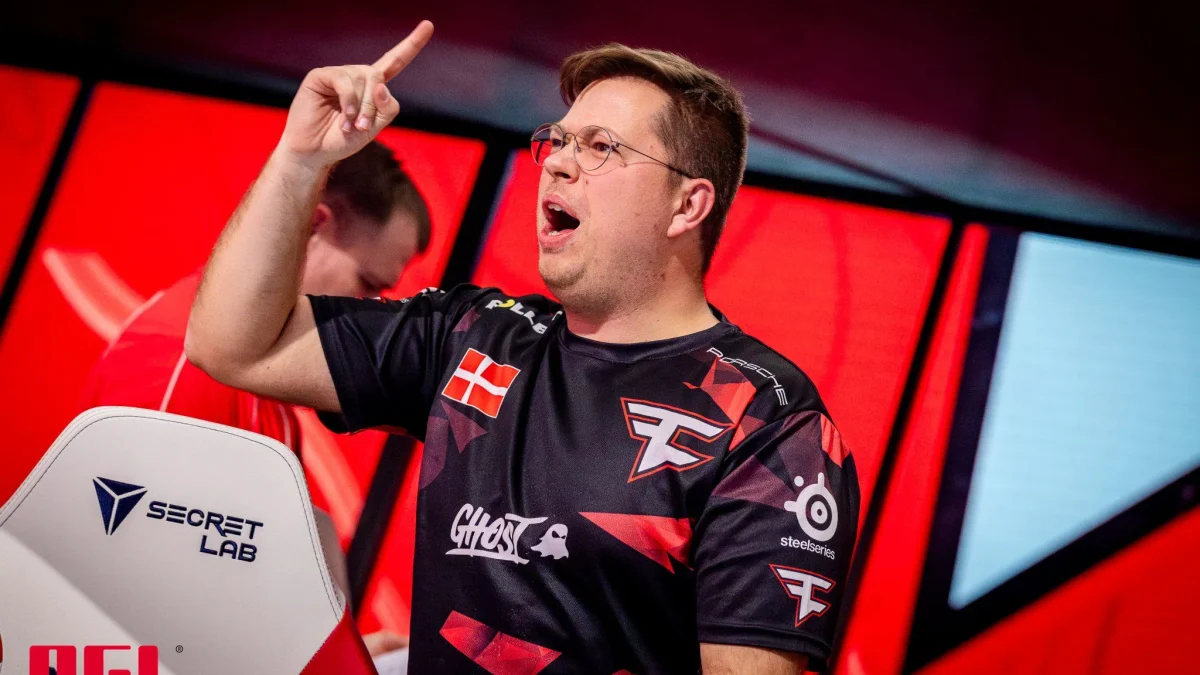

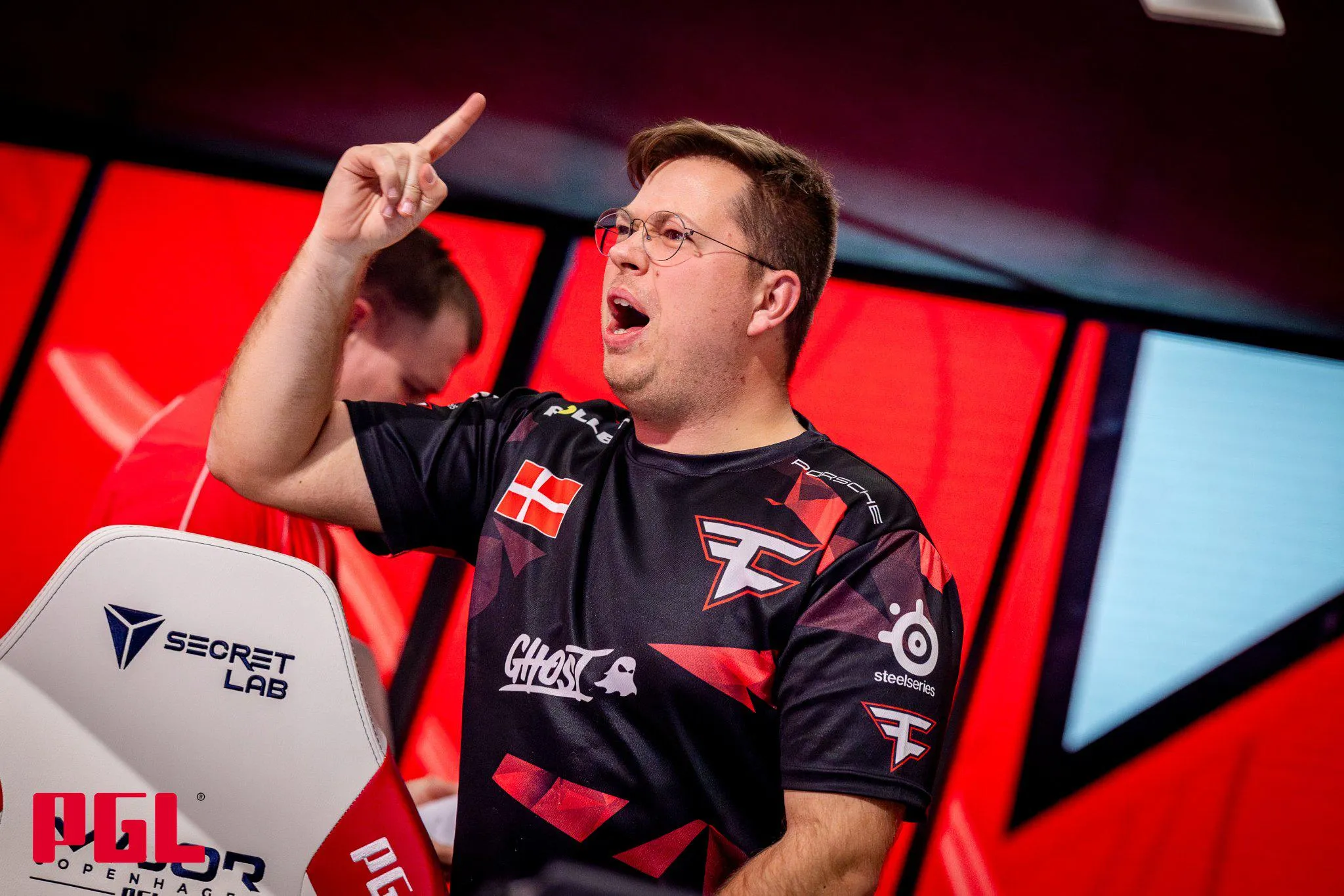
Understanding what is an IGL in esports starts with knowing who calls the shots once a match goes live. IGL stands for In-Game Leader, which refers to the team captain who directs tactics, manages resources, and adapts the game plan while playing alongside four teammates.
Coaches can prepare strategies before a game and talk during short timeouts, yet players have to solve problems on their own during live rounds. If you want to see how pro teams stay coordinated under tournament pressure, let’s break down what an in-game leader actually does!
Core Responsibilities of an In-Game Leader
An IGL acts as the tactical brain of a roster across tactical shooters, battle royales, and MOBA titles. Instead of only focusing on landing headshots or winning lane matchups, this player tracks the entire map to predict what the opposing squad will do next.
1. Calling Strategies and Mid-Round Adjustments
Before a round begins, the IGL picks the opening setup based on the team’s available weapons, abilities, and past tendencies from the opponent. Once utility starts flying and early kills happen, the captain has to scrap the original plan and call a quick rotation to an open bombsite or objective.
Good leaders read tiny clues like a single smoke grenade or missing enemy player to figure out where the defense is weak. Speaking clearly and fast ensures all five players swing angles together instead of peeking one by one.
2. Managing Team Economy and Resources
In games like Counter-Strike 2 and VALORANT, buying rifles every single round will quickly bankrupt a squad. The IGL tracks how much money the roster holds and decides when everyone should save cash for a stronger buy on the next round.
Battle royale captains handle a similar balancing act by rationing healing items, shield batteries, and ultimate abilities before entering the final zone. Keeping track of enemy ultimates also helps the leader avoid walking straight into a defensive trap.
3. Controlling Comms and Team Morale
Tournament voice channels can turn chaotic fast when ten players are trading gunfire in the final seconds of a match. A calm IGL cuts through the noise by shutting down unnecessary chatter so teammates can hear footsteps and clear callouts.
When a squad falls behind by several rounds, the captain keeps everyone focused on the next play rather than arguing over past mistakes. Steady leadership often separates rosters that crumble on stage from champions who pull off huge comebacks.
Famous IGLs in the Esports Scene
Many of the biggest trophies in competitive gaming belong to veterans who mastered the art of calling plays under bright arena lights. These captains built winning dynasties across different genres by outthinking rival teams when everything was on the line.
1. Finn “karrigan” Andersen (Counter-Strike 2)
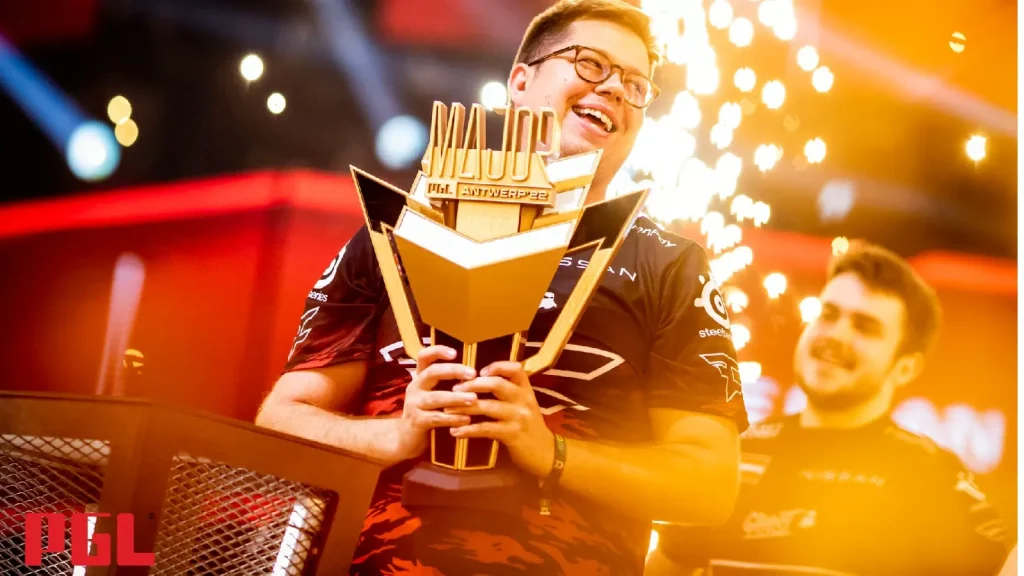
Finn “karrigan” Andersen has spent more than a decade leading top Counter-Strike rosters, including Astralis, MOUZ, and FaZe Clan. His aggressive, fast-paced calling style encourages star fraggers to take bold map control and punish passive defenders.
Even when his individual kill stats sit near the bottom of the scoreboard, his mid-round reads regularly carry FaZe Clan to deep playoff runs. You can check his full tournament history and trophy cabinet on Liquipedia Counter-Strike to see how long he has stayed at the top.
2. Jake “Boaster” Howlett (VALORANT)
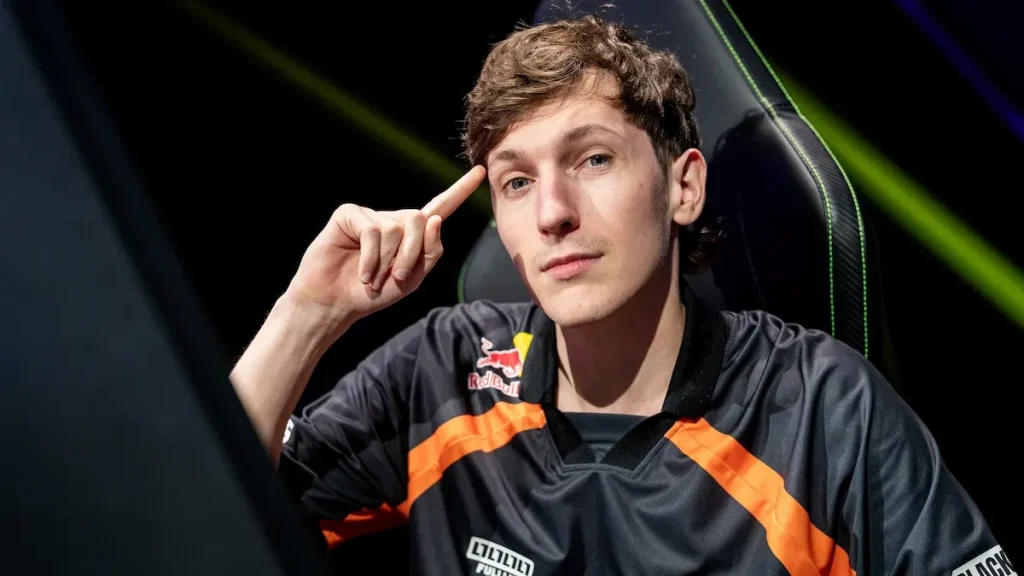
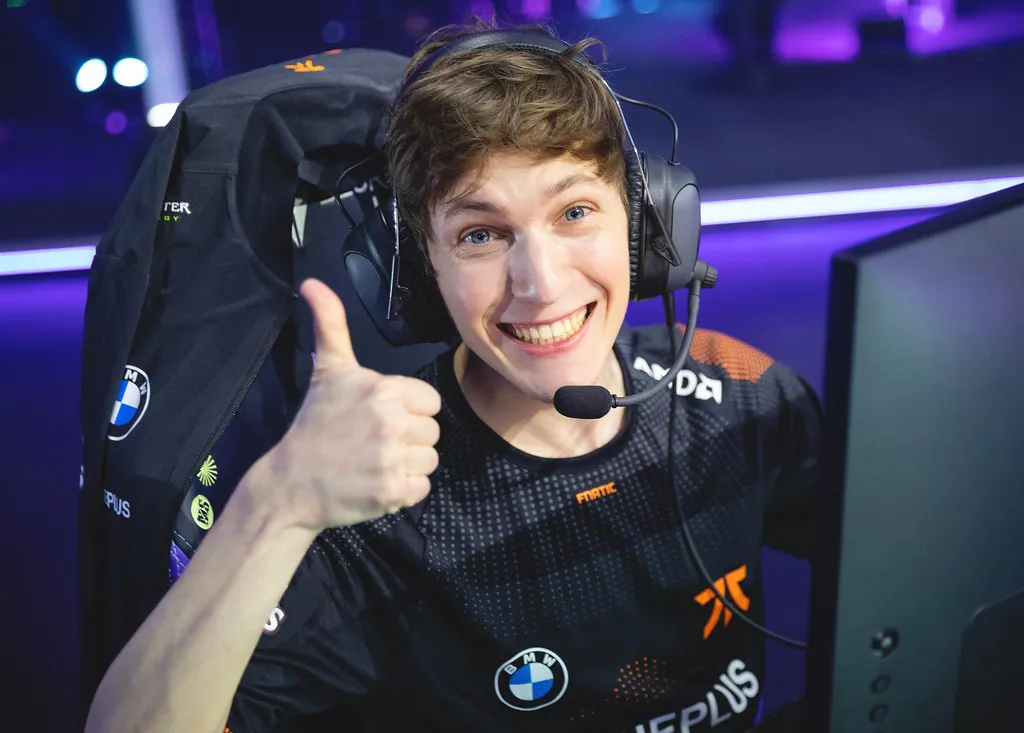
Jake “Boaster” Howlett turned Fnatic into one of the most dominant VALORANT squads in the world through detailed map preparation and disciplined defaults. Playing Controller agents like Astra and Omen lets him drop smokes across the map while watching the minimap for enemy rotations.
His upbeat energy during stage walkouts contrasts sharply with how strict and structured his mid-round calls become during overtime. Fnatic’s back-to-back international titles in 2023 proved how lethal a well-drilled roster becomes under his direction.
3. Phillip “ImperialHal” Dosen (Apex Legends)
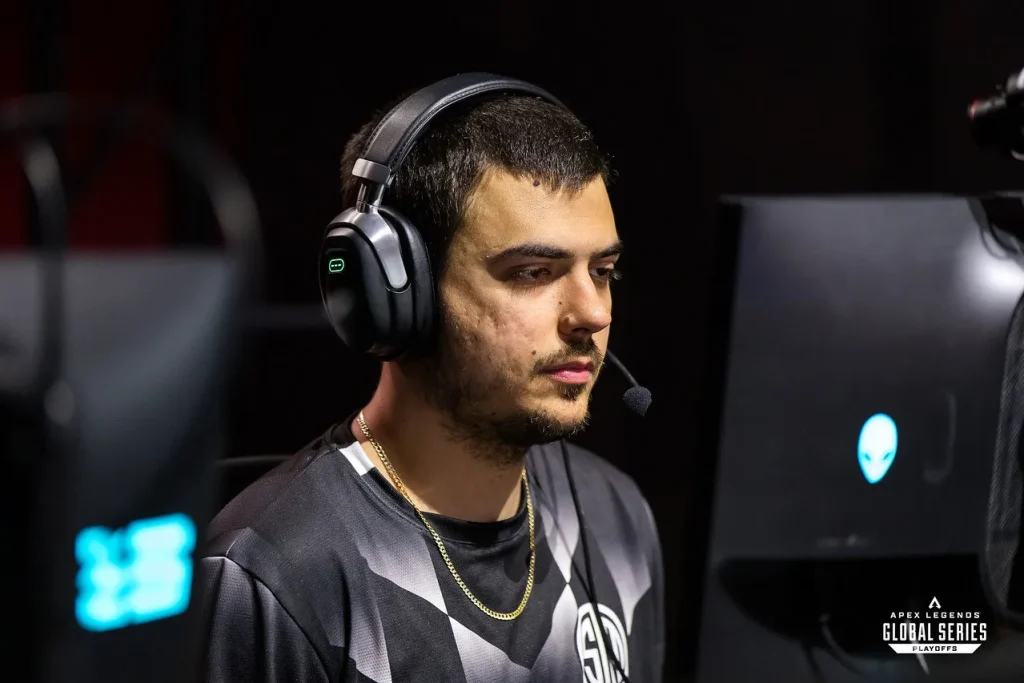
Phillip “ImperialHal” Dosen earned his reputation as the fiercest battle royale captain in Apex Legends during his championship years with TSM and Team Falcons. Battle royales throw twenty squads onto a shrinking map at once, forcing him to make constant micro-adjustments around random ring pulls and third-party ambushes.
His blunt, direct communication leaves zero doubt about which building his teammates should hold or when they need to push an isolated squad. Multiple ALGS LAN trophies show how consistently his zone calls put his team in position to win final circles.
4. Yaroslav “Miposhka” Naidenov (Dota 2)
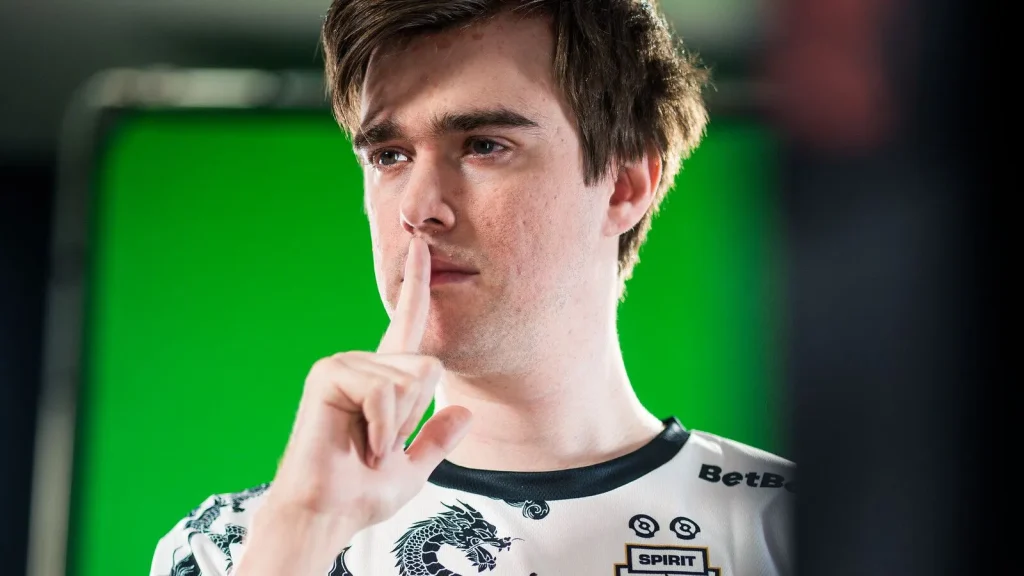
Yaroslav “Miposhka” Naidenov captained Team Spirit to two historic victories at The International, Dota 2’s biggest annual tournament. Playing the hard support position allows him to place vision wards across the map while directing smoke ganks and Roshan fights for his core players.
Rather than forcing reckless early brawls, he excels at guiding his squad safely through rough laning stages until their late-game heroes come online. His patient shot-calling helped Team Spirit pull off some of the biggest underdog runs in MOBA history.
Why Every Competitive Squad Needs an IGL?
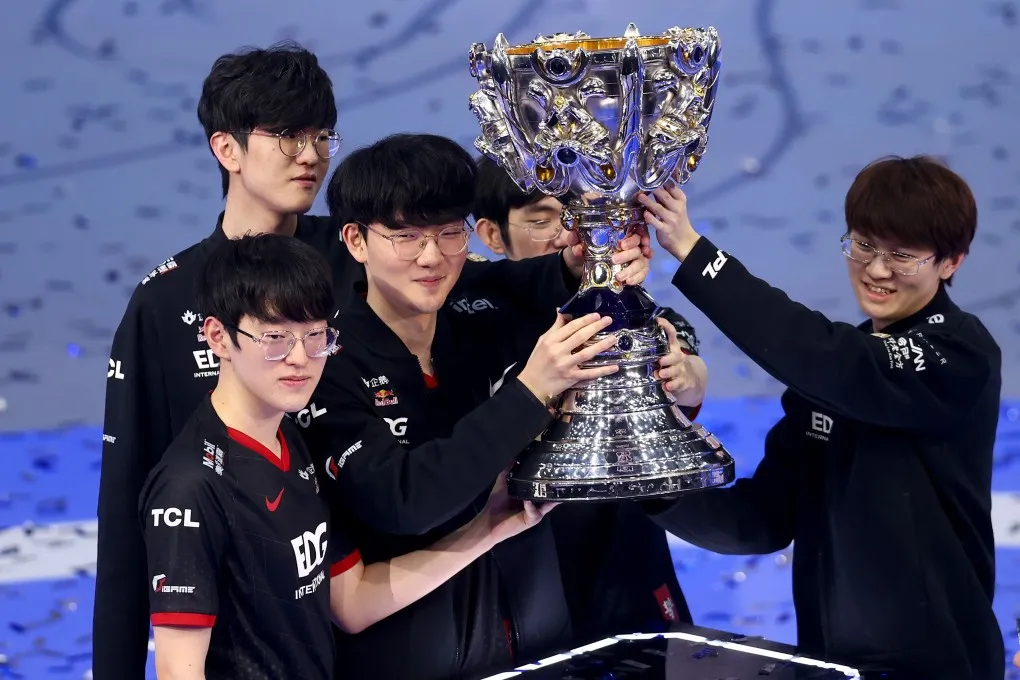
Even a roster packed with five mechanically gifted superstars will struggle against an organized unit that moves with a clear plan. Having one trusted voice making final calls eliminates hesitation during split-second engagements where waiting half a second costs you the round.
Paying attention to a captain’s mid-round calls helps you spot why certain plays succeed on tournament streams. Try calling basic rotations in your next ranked game to see how much cleaner your squad executes!
Want more breakdowns of pro gaming roles, esports highlights, and daily updates? Drop by the Another Gaming Post Instagram page and tell us which pro captain you respect most!