



Ten years after Fifth Edition launched, Wizards of the Coast rolled out a massive revision across the updated Player’s Handbook and Dungeon Master’s Guide, followed by the new Monster Manual. If your group has been playing with the 2014 books for years, figuring out the DnD 2024 rules can feel confusing at first glance.
Rather than launching an incompatible sixth edition, this update refines the existing 5e engine so old adventures still work at your table. Read the full breakdown below to see what the DnD 2024 rules actually change for your characters and weekly sessions.
What Are the DnD 2024 Rules?
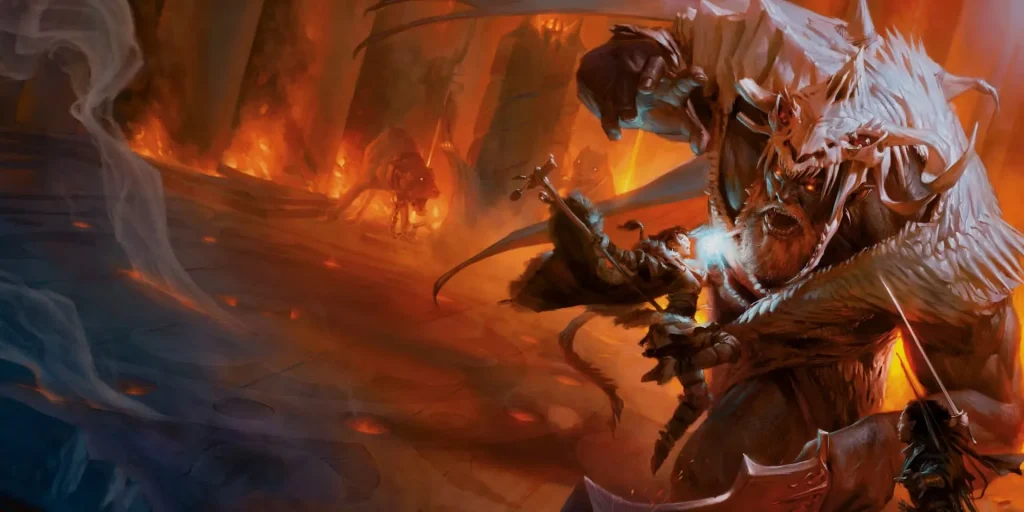
The DnD 2024 rules represent a backward-compatible overhaul of Fifth Edition Dungeons and Dragons. You can still run older campaign books like Curse of Strahd or use subclasses from Xanathar’s Guide to Everything right alongside the updated material.
When your table adopts the revised Player’s Handbook, however, the new versions of classes, spells, and combat actions replace their 2014 counterparts. Wizards of the Coast designed this refresh to clear up constant table arguments while giving non-magical characters far better options during a fight.
Character Creation Shifts to Backgrounds and Origin Feats

One of the biggest updates in the DnD 2024 rules changes where your starting stats come from. Ability score bonuses are no longer tied to your character’s fantasy species, which used to pressure players into picking specific ancestries just to optimize a class.
Instead, your starting ability score increases come directly from your background. Every background also grants a starting Origin Feat at level one, giving every new hero a signature perk right out of the gate.
Feats are no longer an optional rule tucked into the back of the book either. They are now a standard part of leveling up, and higher-tier feats also grant a plus-one ability score boost so you never have to choose between raw stats and cool features.
Weapon Mastery Gives Martial Classes Real Tactics

For years, Fighters and Barbarians often spent their turns simply swinging a sword while spellcasters reshaped the entire battlefield. The DnD 2024 rules fix that gap by introducing Weapon Mastery properties for martial classes.
Every simple and martial weapon now carries a built-in tactical effect that trained warriors trigger on a hit. Using a greataxe with Cleave lets you swing straight through one enemy to strike a second target standing beside them, while a Warhammer with Topple forces foes to make a Constitution saving throw or fall prone.
Other weapon properties focus on setting up follow-up attacks and controlling enemy movement across the battle map. Vex grants you advantage on your next attack against the same creature after landing a hit, while Push and Slow let you shove enemies backward or cut their walking speed.
Because Fighters and Barbarians can swap which weapon masteries they prepare after a long rest, martial combat stays fresh from round to round. You actually have a tactical reason to carry different weapons on your belt rather than sticking to one magic sword forever.
Four Subclasses per Class at Level Three
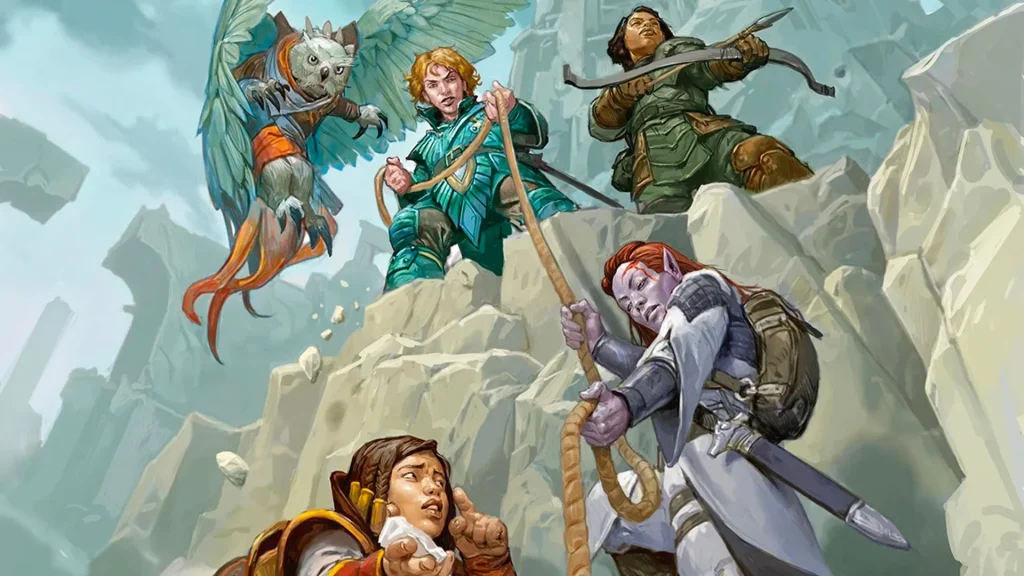
The revised Player’s Handbook standardizes all twelve core classes so each one includes four distinct subclasses right inside the main book. Several fan-favorite options from older expansions, such as the Circle of the Stars Druid and College of Glamour Bard, are now built directly into the core lineup.
Every single class now chooses its subclass at level three as well. Clerics, Sorcerers, and Warlocks previously picked their specialization at level one, which often led to awkward multiclass dips and uneven early-game power spikes.
Individual classes received major quality-of-life upgrades across the board. Monks finally gain bigger Martial Arts dice and better defensive reactions without burning through Focus points too quickly, while Rangers rely less on situational terrain bonuses that rarely came up in real campaigns.
Cleaner Combat Actions, Surprise, and Exhaustion
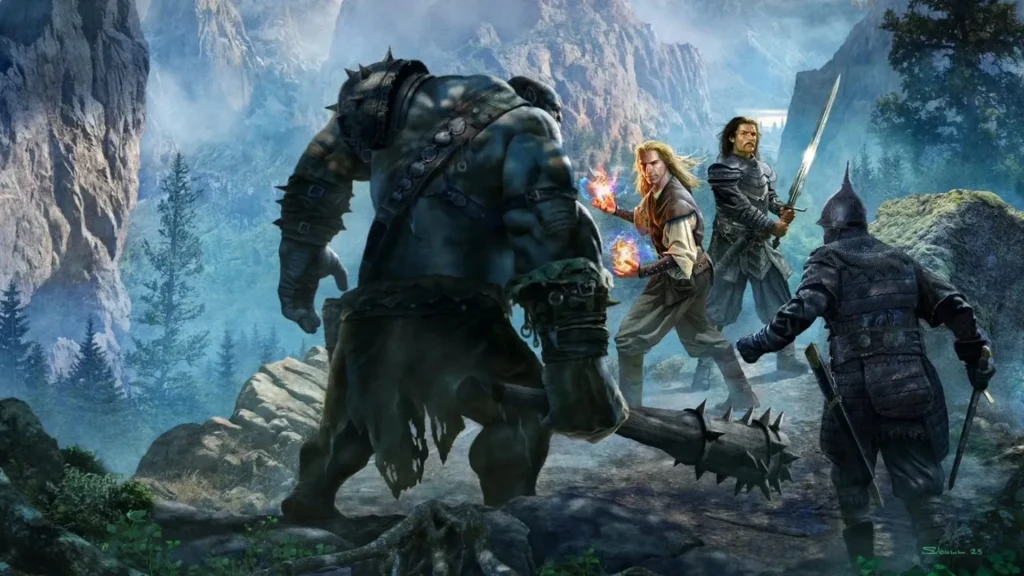
Wizards of the Coast cleaned up dozens of ambiguous table rulings by naming specific actions and rewriting punishing conditions. Investigating clues, recalling lore, or persuading an NPC now fall under clear action labels like Study and Influence, and drinking a healing potion officially uses a Bonus Action instead of eating your whole attack.
Surprise also works very differently than it did in 2014. Being caught off guard no longer forces you to skip your entire first turn, because surprised creatures simply roll Initiative with Disadvantage instead.
Exhaustion received a similar cleanup to remove complicated tracking charts from your character sheet. Each level of Exhaustion now applies a flat minus-two penalty to d20 tests and reduces your speed by five feet until you rest.
Even Heroic Inspiration got a practical upgrade for players who hate wasting luck. You can now use Inspiration to reroll any die right after seeing a bad number, and you can pass extra Inspiration to a teammate if you already hold one.
Spellcasting Limits and Stronger Healing Magic
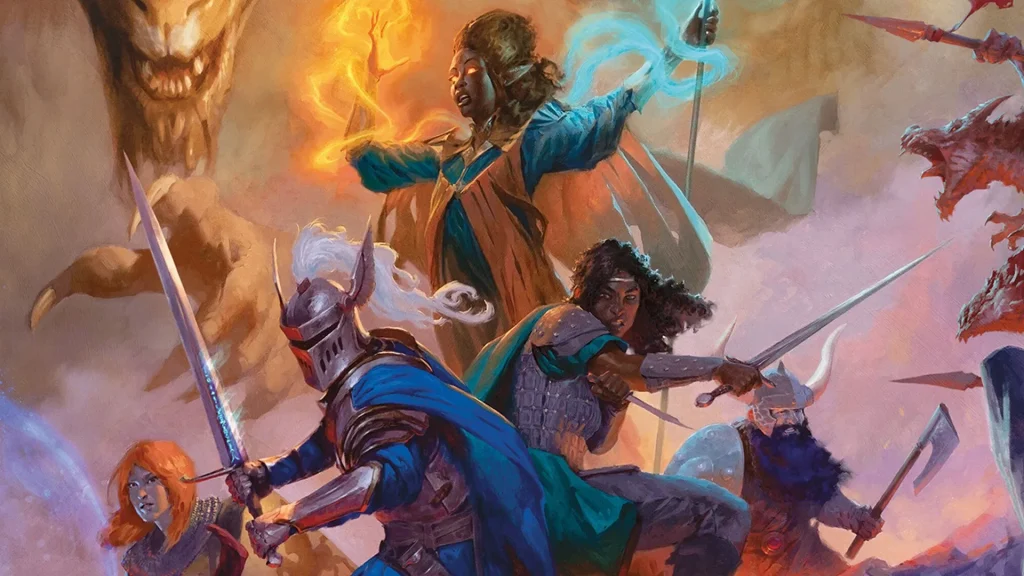
Spellcasters saw major balance adjustments across nearly 400 updated spells. The DnD 2024 rules clarify spell pacing by limiting you to spending only one spell slot per turn, meaning you cannot cast a slotted action spell and a slotted bonus-action spell during the same turn.
Healing magic received a massive boost to make in-combat support worth your action economy. Core spells like Cure Wounds and Healing Word roll double the healing dice compared to their 2014 versions, keeping front-line allies standing through heavy monster hits.
Meanwhile, frustrating shutdown spells were toned down so boss fights stayed tense. Counterspell now forces the target to make a Constitution saving throw rather than automatically canceling their magic, and a countered caster keeps their spell slot instead of losing both their turn and their resource.
Should Your Table Switch to the 2024 Rules?
If your group enjoys Fifth Edition Dungeons and Dragons, moving to the DnD 2024 rules brings welcome upgrades to martial fighters, healing spells, and combat pacing. Because your existing adventure books and third-party supplements remain usable, you do not have to throw away your current shelf to start playing with the updated character options.
Want more tabletop guides, video game reviews, and daily gaming news in your feed? Follow Another Gaming Post on Facebook and Instagram so you never miss our latest posts!