

Finishing a sixty-hour RPG often leaves you with max-level abilities and powerful weapons right as the final boss falls. For players who are not ready to put the controller down, understanding what is New Game Plus opens up a completely different way to replay that campaign.
Known simply as NG+ across gaming communities, this bonus mode lets you restart the story from the opening cutscene while keeping the character progress you earned during your first run. Keep reading below to see how the feature works and which games handle it best.
What Is New Game Plus in Video Games?
Explaining what is New Game Plus comes down to carrying your endgame strength back to the starting line. Instead of beginning a second save file at level one with basic starter gear, you load your completed save data into a fresh playthrough.
The story resets back to chapter one, placing every boss and side quest back onto your map. Your character enters those early encounters with high stats and late-game equipment already equipped.
Most developers only grant access to NG+ after you finish the main campaign at least once. That requirement keeps your first playthrough balanced while rewarding you with a victory lap on your second run.
What Usually Carries Over in NG+?
Every studio sets slightly different rules for what transfers into a second run, though character levels and skill trees almost always come along. Having your full combat toolkit available right away lets you experiment with combos that were unavailable during the opening hours.
Weapons, armor sets, crafting materials, and in-game currency also carry over in most NG+ modes. You can spend that extra gold on expensive upgrades you skipped the first time around.
Story-critical key items usually get removed from your inventory when the new cycle begins. Developers strip out grappling hooks and security keycards so you cannot accidentally skip major story triggers or break scripted events.
Collectible progress like audio logs and map completion percentages varies depending on the title. Some games keep your map fog cleared, while others reset regional collectibles so you can hunt them down again.
Where the New Game Plus Idea Started
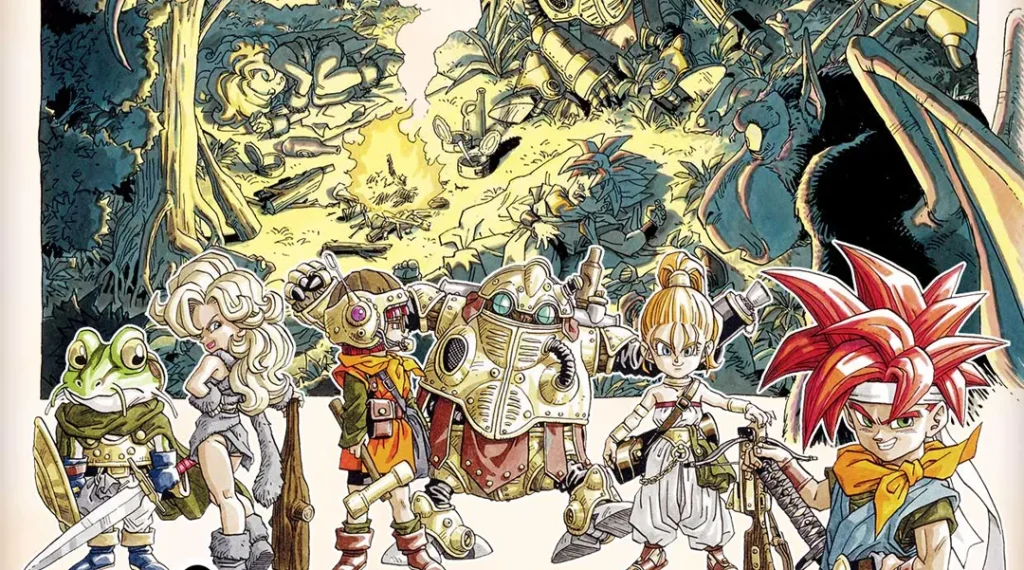
Players often wonder what is New Game Plus doing in modern games without realizing the feature dates back to the 1990s. Square officially coined the term in 1995 with the Super Nintendo RPG Chrono Trigger.
Earlier titles like 1986’s The Legend of Zelda offered a harder Second Quest after beating the game, though Link still started with basic equipment. Chrono Trigger changed the formula by letting players carry their party levels and gear into a fresh timeline.
That design allowed players to challenge the final boss Lavos at almost any point in the story, leading to over a dozen alternate endings. Other RPG studios quickly copied the idea, making NG+ a standard expectation for single-player campaigns.
Common Ways Games Handle New Game Plus
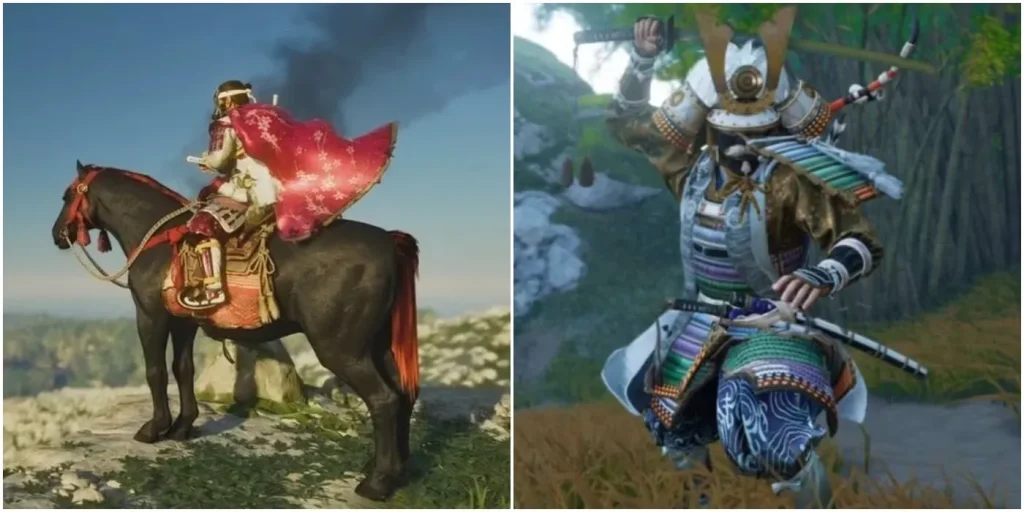
Not every NG+ mode plays the same way once you hit confirm on the title screen. Some games treat the second run as a pure power fantasy where you defeat early enemies in a single hit.
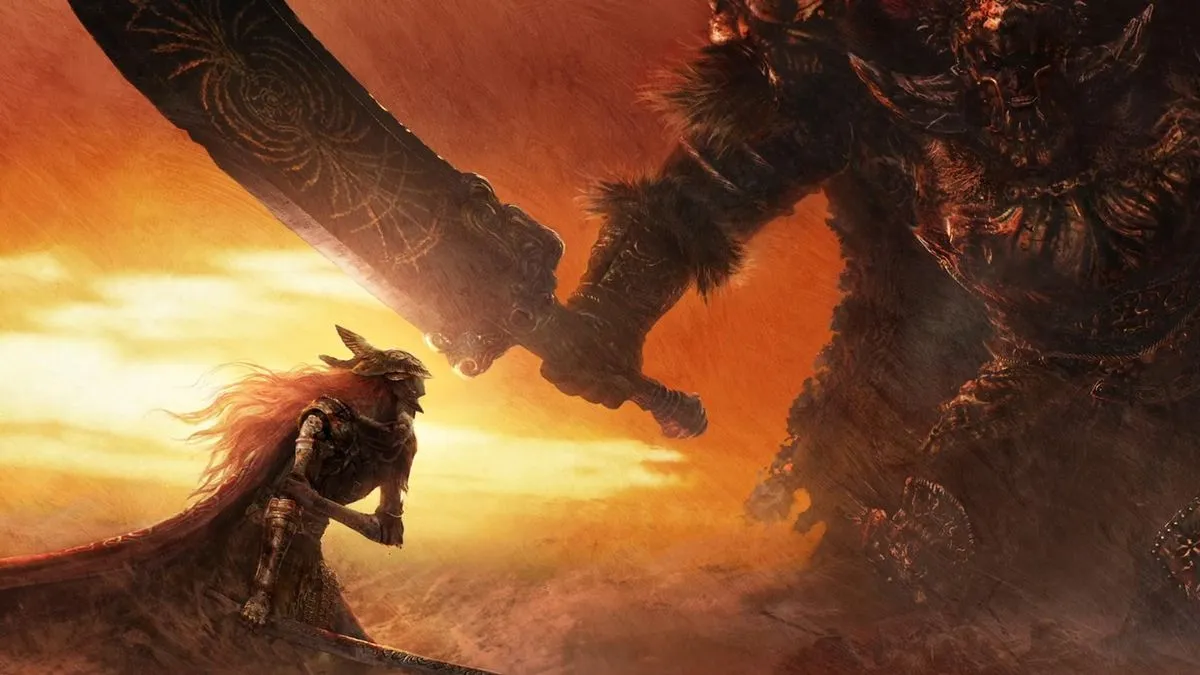
Action RPGs like Elden Ring take the opposite approach by scaling up enemy health and damage with every new cycle. Each subsequent NG+ tier pushes your build harder while dropping larger amounts of upgrade currency.
Certain studios go even further by remixing enemy placements and adding brand-new gear tiers exclusive to the second run. A corridor that held two weak guards on your first playthrough might hide an aggressive mini-boss in NG+.
Narrative-driven games occasionally weave the restart directly into the plot itself. Dialogue lines shift slightly, and hidden scenes appear to acknowledge that your character has already lived through these events once before.
Standout Games With Great New Game Plus Modes
While a basic stat carry-over is fun on its own, several titles use NG+ to reshape how you approach combat and storytelling.
1. Starfield
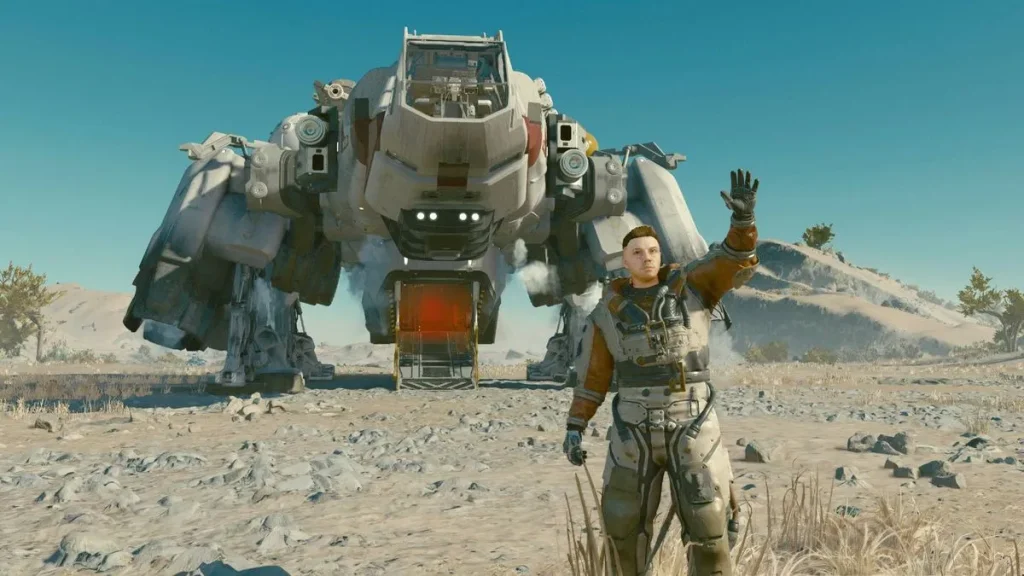
Bethesda built its entire sci-fi RPG ending around stepping into a multiverse that serves as the game’s NG+ mode. You lose your credits and outposts when crossing over, though your character level and special powers remain intact.
Each new universe has a chance to greet you with bizarre variations at the main lodge, replacing familiar companions with unexpected surprises. That structure gives dedicated explorers a reason to keep jumping through multiple cycles.
2. Dishonored 2
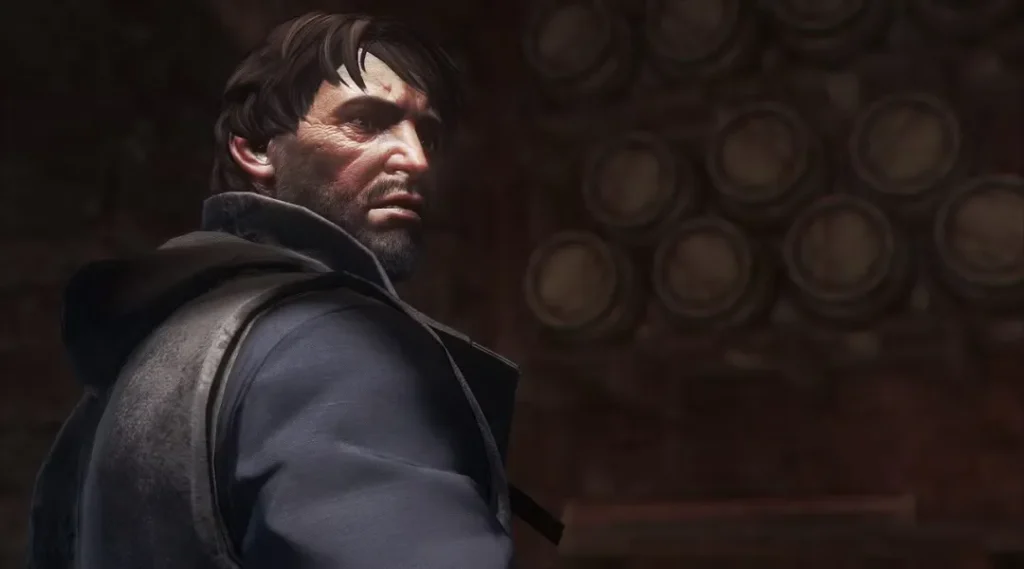
Arkane Studios splits its stealth campaign between two playable protagonists with completely different supernatural abilities. Starting an NG+ run merges both skill pools together onto a single character.
Combining Emily’s Domino link with Corvo’s Blink teleportation opens up creative stealth routes that are impossible during a standard playthrough. Guards who thought they were safe across a courtyard suddenly drop simultaneously from a single sleep dart.
3. Dead Space Remake
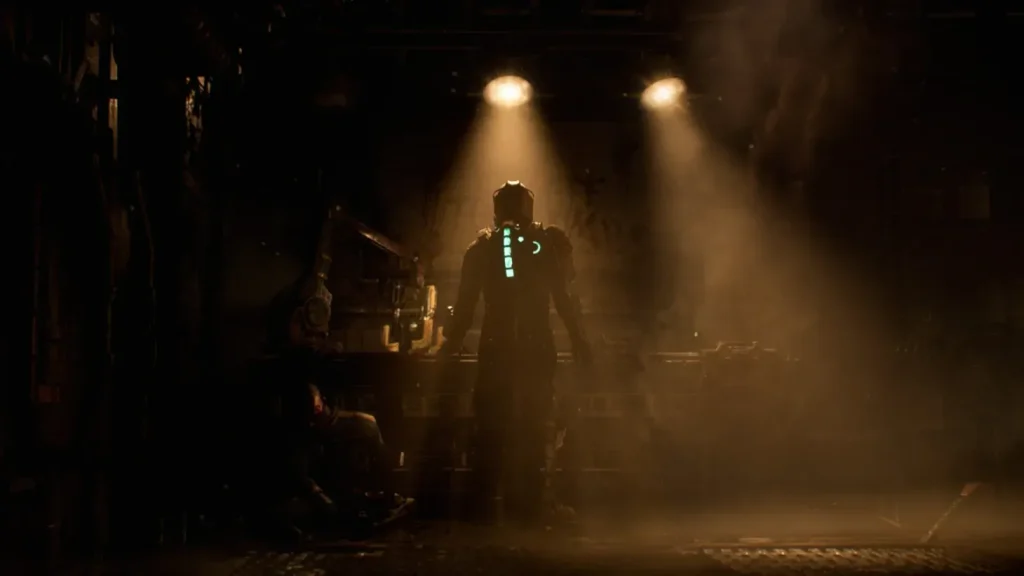
Motive Studio rewards brave players with an upgraded Level 6 Advanced Suit and extra weapon upgrade nodes once NG+ begins. You can finally max out every firearm in your arsenal instead of rationing power nodes.
The mode also introduces aggressive Phantom Necromorph variants alongside hidden marker fragments scattered across the Ishimura. Collecting all of those fragments leads to an alternate ending that changes how you view Isaac Clarke’s survival.
4. Armored Core 6 Fires of Rubicon
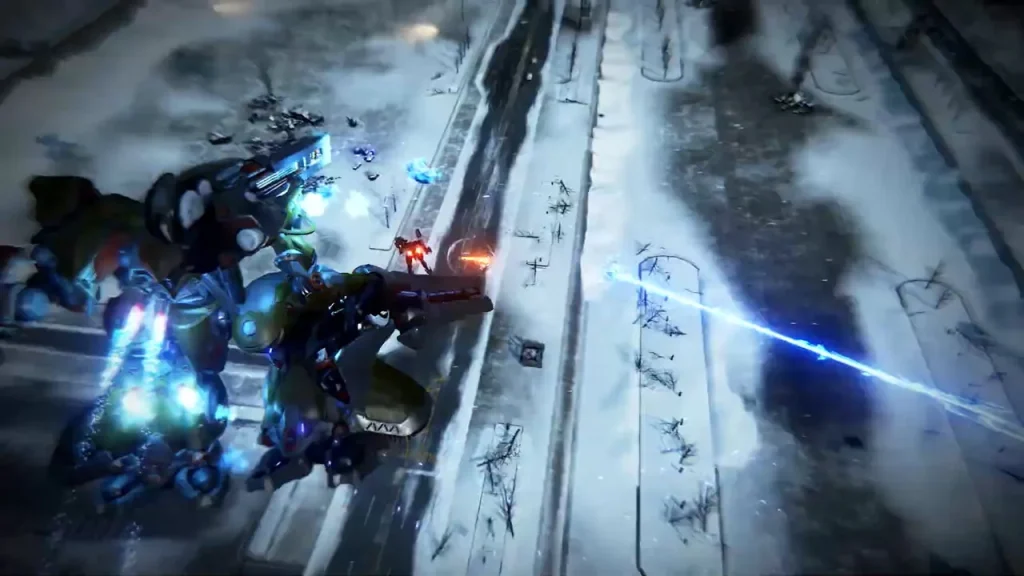
FromSoftware uses NG+ and subsequent cycles to tell the complete story of its mech combat campaign. Finishing the credits once only shows you part of the corporate conflict on Rubicon.
Replaying with your custom mech builds introduces new mid-mission betrayals and a third storyline route that resolves the main plot. Hardcore pilots get to test their favorite loadouts against tougher arena opponents while uncovering hidden lore.
Why Players Keep Coming Back for NG+
Understanding what is New Game Plus also explains why single-player games hold onto active communities months after launch. Many modern games hide their best weapons and armor behind late-game bosses, leaving you barely an hour to actually use them before the story ends.
Jumping into NG+ solves that frustration by giving you an entire campaign to enjoy your favorite endgame setup. Trophy and achievement hunters also rely on second runs to clean up missed side quests and alternate story choices without grinding from scratch.
If you have a favorite RPG sitting in your library with a completed save file, loading up NG+ is one of the best ways to experience the combat system at full strength.
Which game has your favorite New Game Plus mode? Follow Another Gaming Post on Facebook and Instagram to share your pick and catch our daily gaming posts!
What Is New Game Plus? How NG+ Works in Video Games