

Every time I pay seventy dollars for a digital download on my console, a small part of me wonders how long I will actually get to keep it. Conveniences like midnight pre-loads and instant game switching feel great right now, but digital ownership in gaming has a massive flaw that most players ignore until something goes wrong.
Without a disc or cartridge sitting on your shelf, you never truly own the games you buy. Keep reading below to see why I think digital storefronts fail consumers and why physical games remain essential for the future of this industry.
You Are Only Buying a Temporary License
In my opinion, calling a digital storefront purchase “buying” a game is misleading at best. When you click purchase on platforms like PlayStation Store or Steam, you are only paying for a revocable license to access software on someone else’s servers.
Buried inside every user agreement is a clause stating that the publisher can modify or revoke your access at almost any time. If your account gets compromised or falsely flagged by an automated moderation system, years of purchased titles can disappear overnight with zero recourse.
That reality is why digital ownership in gaming feels so fragile compared to holding a real copy in your hands. When I buy discs or cartridges, nobody can remotely delete them from my living room shelf because a terms-of-service document changed.
Storefront Closures and Delistings Erase Games Forever
History has already shown us what happens when companies decide that maintaining older digital infrastructure is no longer profitable. Look at the shutdowns of the Nintendo 3DS and Wii U eShops, which permanently cut off legitimate digital access to hundreds of exclusive titles.
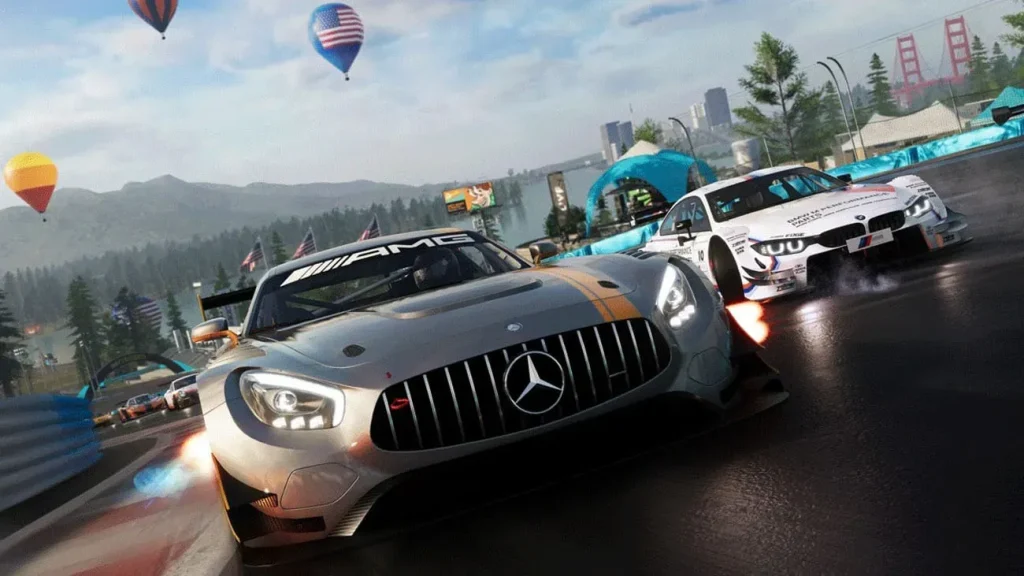
Even worse, publishers have started pulling purchased games directly out of player libraries. When Ubisoft shut down the servers for The Crew, the company did not just turn off matchmaking. It completely revoked the digital licenses from people who had paid full price for the game.
Expired music rights and lapsed vehicle licenses also force studios to pull popular games like Spec Ops: The Line and older Forza entries off digital stores without warning. Once a digital title is delisted, new players have no legal way to buy it unless they track down secondhand physical games on the used market.
I think relying entirely on servers for digital ownership in gaming hands corporations total control over gaming history. Without physical copies circulating in the wild, entire eras of creative work can vanish with a single server switch.
Digital Monopolies Keep Game Prices High
Another major reason I dislike an all-digital future comes down to basic wallet economics. On consoles, the digital storefront is a closed monopoly controlled entirely by the platform holder.
If you own a discless console, you have no choice but to pay whatever price the console maker sets inside their store. Years-old releases frequently sit at their original sixty or seventy-dollar price tags outside of brief seasonal sales.
By contrast, physical games create real retail competition that directly benefits players. Local game shops and big-box retailers regularly discount boxed copies to clear shelf space, often slashing prices months before the digital store budges.
You also keep the basic right to lend discs to a friend or trade them in toward something new once the credits roll. With digital ownership in gaming, your money disappears into a closed ecosystem the second you confirm your payment.
Why Physical Games Still Hold Real Value Today
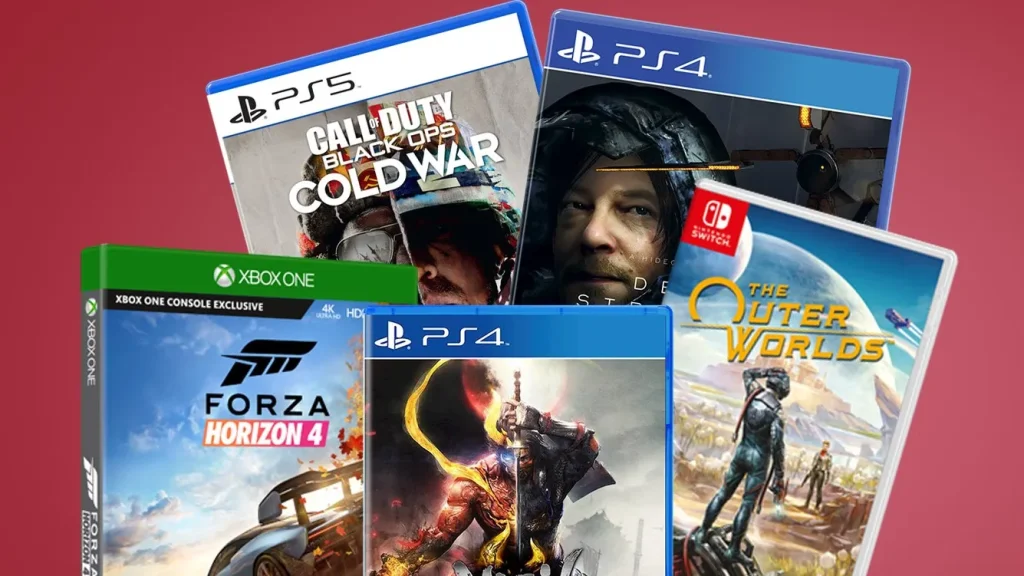
Whenever I bring up this topic online, someone always argues that modern discs are useless because you still have to download massive day-one patches. While a handful of incomplete releases do require mandatory internet downloads, that excuse does not apply to most boxed titles.
Independent preservation groups have tested thousands of modern PlayStation 5 and Nintendo Switch releases, proving that the vast majority include a complete, playable build right on the disc or cartridge. You can disconnect your console from the internet and play straight off the media all the way to the credits.
I strongly believe publishers encourage the myth that discs are obsolete because killing physical media maximizes their profit margins. Eliminating manufacturing costs and wiping out the secondhand market gives companies complete control over pricing and distribution.
To me, keeping physical games alive is the only reliable check against corporate greed in the modern games industry. As long as boxed copies exist, players retain real consumer rights.
Convenience Should Never Replace Real Ownership
I am not pretending that digital downloads lack convenience. Being able to jump between installed games from the couch or download an indie hit at midnight is genuinely nice.
Still, trading away actual property rights just to avoid swapping discs is a terrible bargain for players. True digital ownership in gaming cannot exist as long as publishers hold the power to delist titles or shut down authentication servers.
Until consumer laws force digital storefronts to treat software purchases like real personal property, I will keep buying physical copies whenever I have the choice. Supporting physical games is about protecting our libraries so we can still play our favorite titles ten or twenty years from now.
Do you prefer collecting physical copies or sticking to digital downloads? Follow Another Gaming Post on Facebook and Instagram to join the discussion and catch our daily gaming posts!