


Playtime across free-to-play and live-service games has dropped noticeably over the past couple of years, and new online worlds are struggling to hold onto players. Having spent thousands of hours grinding dungeons and raiding with guildmates, I find myself seriously wondering are live service MMOs dying right now.
New releases still pull in huge launch-weekend crowds, yet most servers empty out within a few weeks because studios care more about draining wallets in month one than building lasting worlds. Keep reading below to see why I think greedy cash shops are ruining new releases while older MMORPGs continue to thrive.
Why New MMORPGs Barely Survive Past Launch Month

Over the past few years, a frustrating pattern has taken over the genre. A shiny new MMORPG launches to massive Twitch viewership and crowded starting zones, only for servers to feel like ghost towns four weeks later.
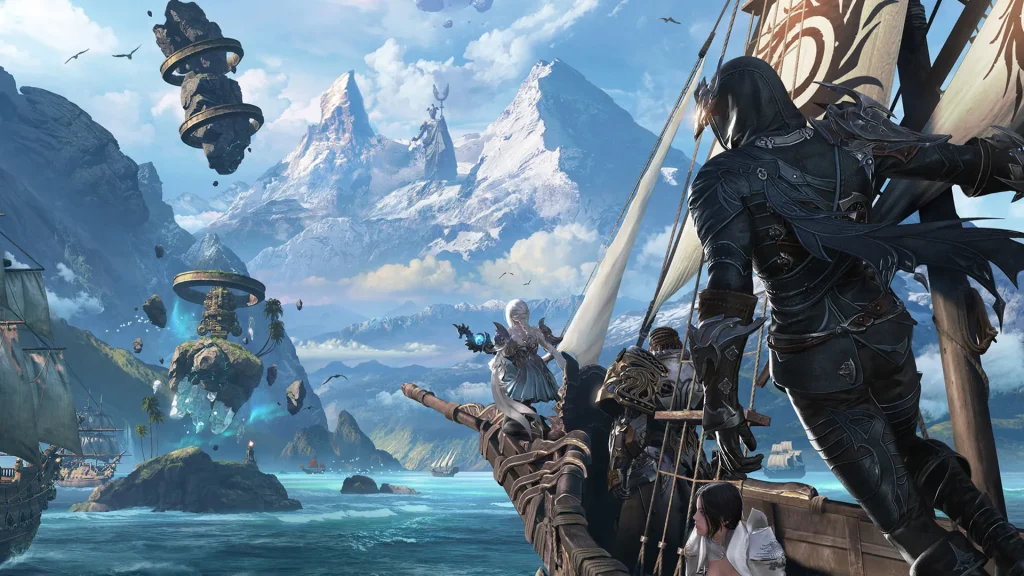
Look at what happened with AION 2 recently. Despite carrying a recognizable franchise name and generating plenty of pre-launch curiosity, the hype evaporated almost as quickly as it arrived once players hit the real progression walls.
Watching another big launch empty out within thirty days makes it easy to see why players keep asking are live service MMOs dying right now. People still want massive online worlds to explore with friends, but nobody wants to sink dozens of hours into a game that feels dead before its second month even starts.
Predatory Pay-to-Win Systems Drive Away Regular Players
In my opinion, the clearest answer to are live service MMOs dying comes down to greedy monetization systems that treat players like walking bank accounts. Far too many modern releases rely on straight pay-to-win mechanics where swiping your credit card is the only realistic way to upgrade gear or stay competitive.
If you are a casual player with a full-time job or university classes to attend, hitting a wall where free progression slows to a crawl kills your motivation immediately. Nobody wants to log in after a long day just to feel punished for refusing to buy currency bundles and upgrade materials.
Worse yet, pay-to-win mechanics poison the social side of the genre by splitting the community in half. Party finders quickly fill up with strict gear score requirements that lock regular players out of endgame raids simply because they did not spend hundreds of dollars on enhancement packs.
I completely understand that running massive MMORPG servers is expensive and developing steady post-launch updates takes serious money. Even so, charging premium prices for raw character power while offering shallow, repetitive daily chores turns most new releases into obvious cash grabs.
Great Combat Cannot Save a Greedy Cash Shop
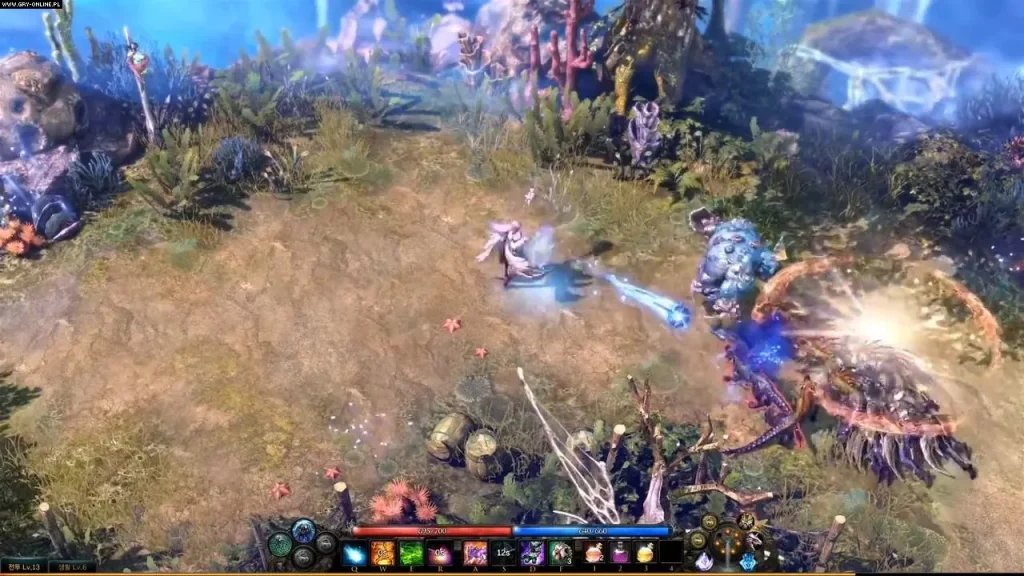
What frustrates me most is that plenty of modern studios actually nail the core gameplay before ruining everything with their business model. Look at Lost Ark and Throne and Liberty, two games that genuinely impressed me the first time I tried their combat systems.
Lost Ark delivers some of the punchiest isometric action in any multiplayer game, and Throne and Liberty offers massive large-scale sieges with fluid weapon-swapping mechanics. On paper, both titles had the mechanical foundation to dominate the genre for a decade.
Instead, aggressive honing systems and auction house advantages drove away huge chunks of their player bases within months. Seeing games with combat that good lose momentum proves that slick animations cannot rescue an MMORPG once players realize their time is worth less than a whale’s credit card.
Why Older MMORPGs Still Thrive Without Pay-to-Win
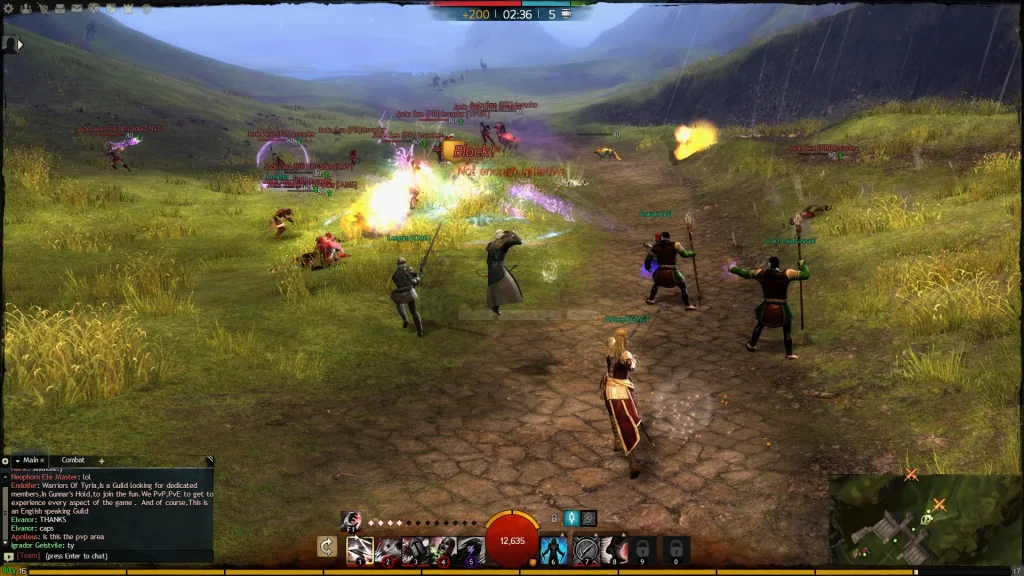
Meanwhile, the oldest giants in the genre continue pulling in massive player counts and steady revenue year after year. Subscription veterans like World of Warcraft and Final Fantasy XIV still pack out servers with every new expansion, while Guild Wars 2 maintains a dedicated community without charging any monthly subscription fee at all.
Looking at why those older worlds survive completely changes how you answer are live service MMOs dying. All three games share a basic respect for player progression by keeping pay-to-win mechanics completely out of their core design.
When you open the cash shop in those titles, you mostly see cosmetic outfits and minor account conveniences that never make your character stronger in a raid or PvP match. Even Guild Wars 2, which relies heavily on its in-game store alongside paid expansions, lets you enjoy competitive modes on an equal footing without buying power.
Players happily spend money on skins and expansions when they know everyone earns top-tier gear through actual gameplay. Trust keeps an online world alive far longer than any flashy launch trailer ever could.
What Studios Must Change Before the Genre Loses Everyone
Live-service MMOs do not have to disappear, because millions of people still love logging into persistent worlds with friends. The problem is that players have finally run out of patience for predatory launch schemes that prioritize short-term profit over long-term trust.
Developers need to build engaging dungeons and rewarding progression loops first, then monetize through fair subscriptions or purely cosmetic shops. If studios refuse to abandon predatory pay-to-win mechanics, the answer to are live service MMOs dying will eventually become a permanent yes.
Do you think new MMORPGs can ever break away from pay-to-win habits? Follow Another Gaming Post on Facebook and Instagram to share your take and catch our daily gaming posts!