
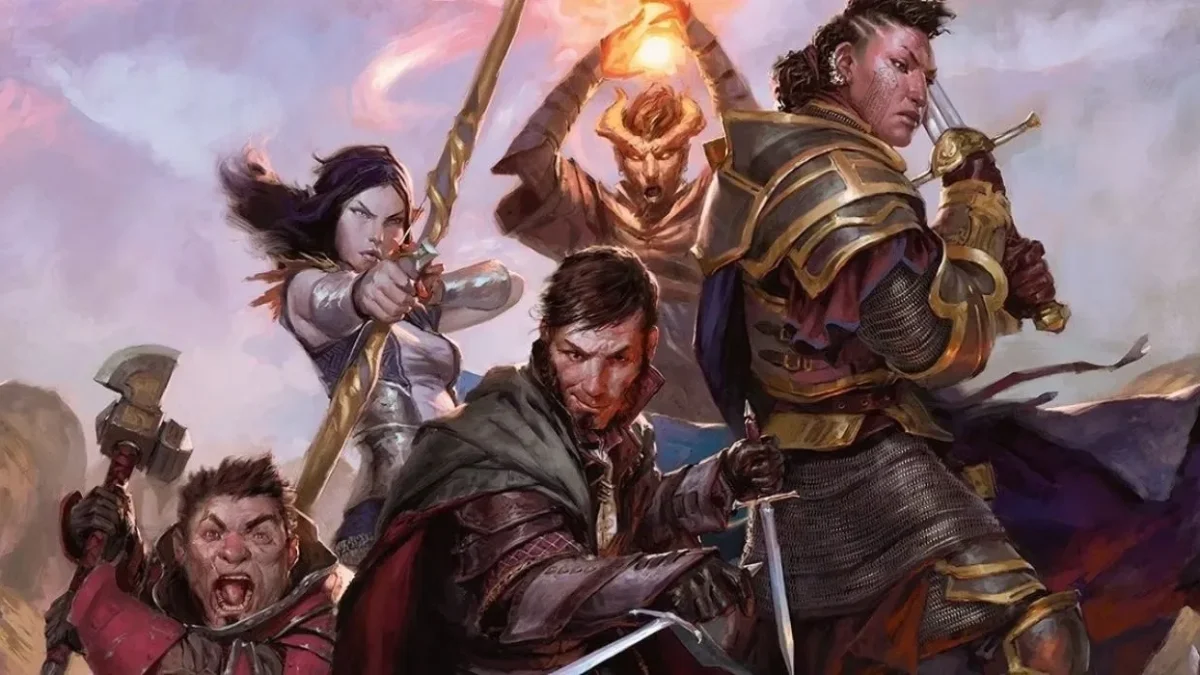

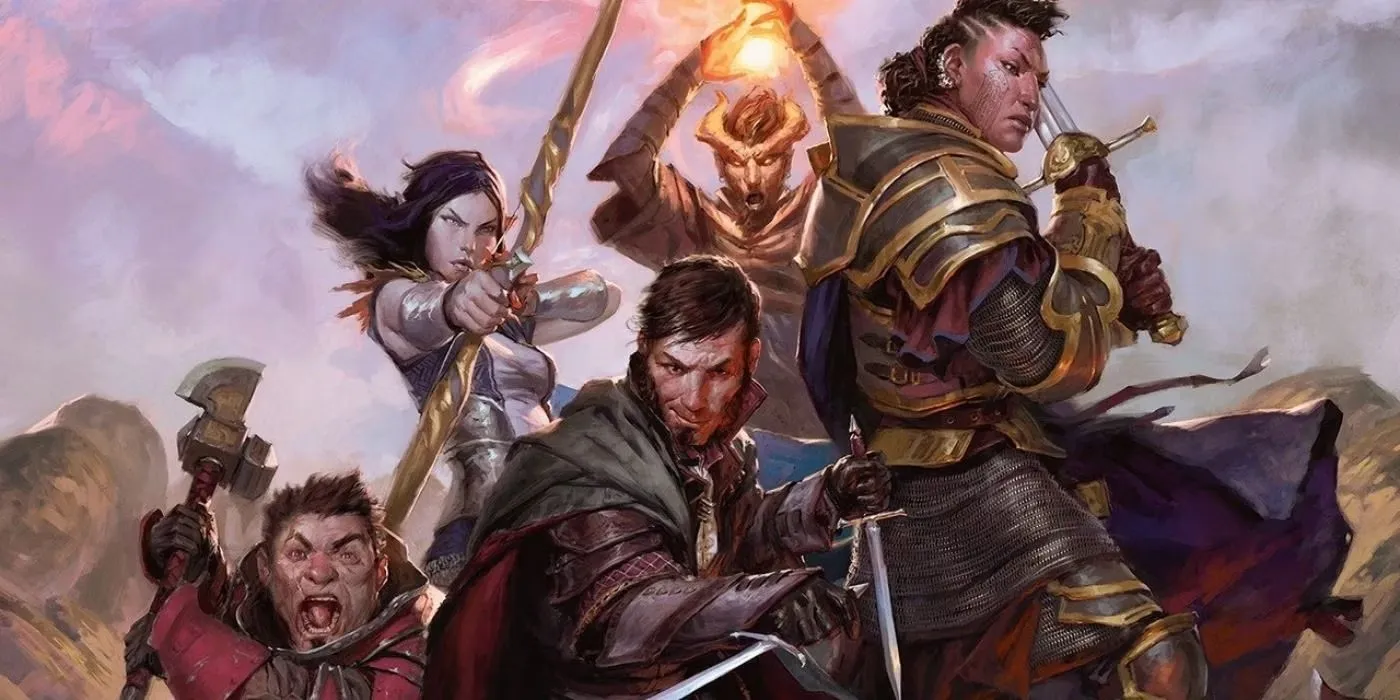
If you have watched Stranger Things or played Baldur’s Gate 3, you have probably found yourself wondering what is Dungeons and Dragons and why millions of people spend hours around a table playing it. Published by Wizards of the Coast, this tabletop roleplaying game has grown from a niche hobby into one of the biggest social pastimes in gaming.
Unlike video games that lock you into scripted dialogue choices, DnD lets you attempt almost anything your imagination comes up with. In this guide, you will learn how the game works, what happens during a typical session, and where you can find a group to start playing.
What Is Dungeons and Dragons?
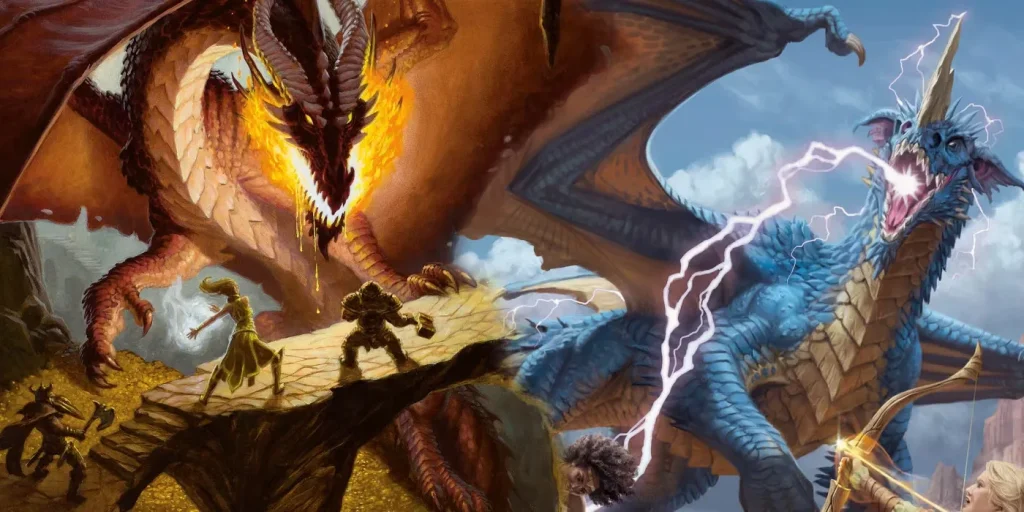
At its core, Dungeons and Dragons is a cooperative tabletop roleplaying game where a group of friends tells an interactive story together. You do not play on a traditional game board with a single path to victory, and nobody competes against the table to win.
Instead, every session works like an unscripted fantasy adventure where your choices permanently shape the plot. Understanding what is Dungeons and Dragons becomes much easier once you look at the two main roles sitting at the table.
One person acts as the Dungeon Master, often shortened to the DM. The DM serves as the referee and storyteller who describes the setting, controls every monster and townsperson, and decides how the environment reacts to your decisions.
Everyone else plays as an individual adventurer traveling together as a party. You speak for your character, choose where the group explores next, and work with your teammates to survive dangerous quests.
How to Play Dungeons and Dragons
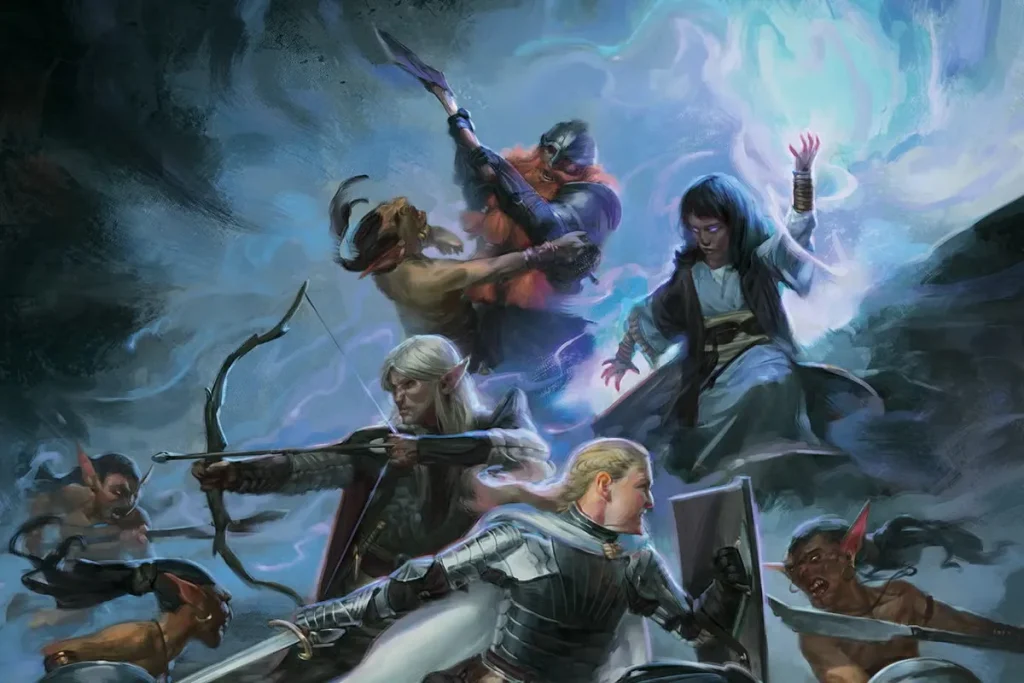
1. Creating Your Character
Before your first adventure begins, you build a custom hero using a character sheet that tracks your skills and equipment. You start by choosing a fantasy species like an elf, dwarf, human, or tiefling, alongside a specific class that defines your abilities.
Classes determine how your hero handles trouble, ranging from heavily armored Fighters and sneaky Rogues to spellcasting Wizards and musical Bards. You also assign six core ability scores covering Strength, Dexterity, Constitution, Intelligence, Wisdom, and Charisma to reflect what your character excels at.
2. The Core Gameplay Loop
Once everyone has a character ready, the session settles into a conversational loop between the table and the storyteller. The DM starts by describing the surrounding environment and any immediate dangers your party notices.
You and your teammates then explain how your characters react to that scene. You might try to pick a rusted lock or talk a suspicious guard into opening the city gates.
Next, the DM decides if your plan works automatically or calls for a dice roll to settle the outcome. Whenever an action carries a real risk of failure, you roll a twenty-sided die called a d20 and add your character’s relevant skill bonus.
If your combined total meets or beats the target number set by the DM, your action succeeds. Rolling low means your plan goes sideways, forcing the party to improvise a new strategy on the spot.
3. Combat, Exploration, and Roleplay
Every DnD campaign balances three distinct styles of play so sessions never feel repetitive. Exploration covers traveling across dangerous wilderness maps, investigating trapped dungeon rooms, and searching ancient ruins for hidden treasure.
Roleplay happens whenever you talk in character with allies or negotiate with merchants, kings, and villains. Some groups spend entire evenings solving political mysteries in a tavern without drawing a single weapon.
When diplomacy fails, the game shifts into turn-based tactical combat. Players and monsters roll initiative to establish turn order, then use movement, weapon attacks, and magical spells until one side retreats or falls.
Where to Play DnD Online and In Person
1. Local Game Stores and Home Tables
Playing around a physical kitchen table remains the classic way to experience DnD. Gathering in person lets you roll physical polyhedral dice, sketch dungeon maps on dry-erase grids, and share snacks with friends.
If none of your close friends know how to play yet, check independent hobby shops and local board game cafes in your area. Many stores host weekly beginner tables and official D&D Adventurers League nights specifically designed to welcome solo newcomers.
2. Virtual Tabletops and Digital Tools
You do not need to live near other players to join a regular weekly campaign anymore. Online tools make explaining what is Dungeons and Dragons to distant friends simple because everyone can connect from home.
Platforms like D&D Beyond handle digital character sheets and automatically calculate your dice modifiers so you never get bogged down in math. Most online groups pair digital sheets with Discord voice chat and virtual tabletops such as Roll20 or Foundry VTT to display interactive battle maps.
Public looking-for-group forums on Reddit and official Discord servers also post hundreds of open game listings every week. You can filter those listings by time zone, campaign tone, and beginner friendliness until you find a table that fits your schedule.
You do not need to buy stacks of expensive hardcover rulebooks before playing your first game. Wizards of the Coast offers the free DnD Basic Rules online, which include everything required to build a character and run low-level adventures.
If you want a ready-made box for a group of friends, picking up an official Starter Set gives you pre-generated characters, a set of dice, and a beginner-friendly campaign module. Now that you know what is Dungeons and Dragons, grab a few friends, roll a twenty-sided die, and see where your first story takes you.
Want more tabletop guides, video game reviews, and daily gaming news in your feed? Follow Another Gaming Post on Facebook and Instagram so you never miss our latest posts!