

I have been grinding competitive games since junior high school, bouncing between tactical shooters and sweaty MOBAs for over a decade. The longer I play, the more frustrated I get watching developers obsess over balancing games for pro play while ignoring the regular ranked ladder.
Every major patch feels like it is written strictly for tournament broadcasts rather than the millions of people queuing up after school or work. In this article, I want to share why catering to the esports meta hurts everyday ranked players.
Esports Metas Dictate Almost Every Patch
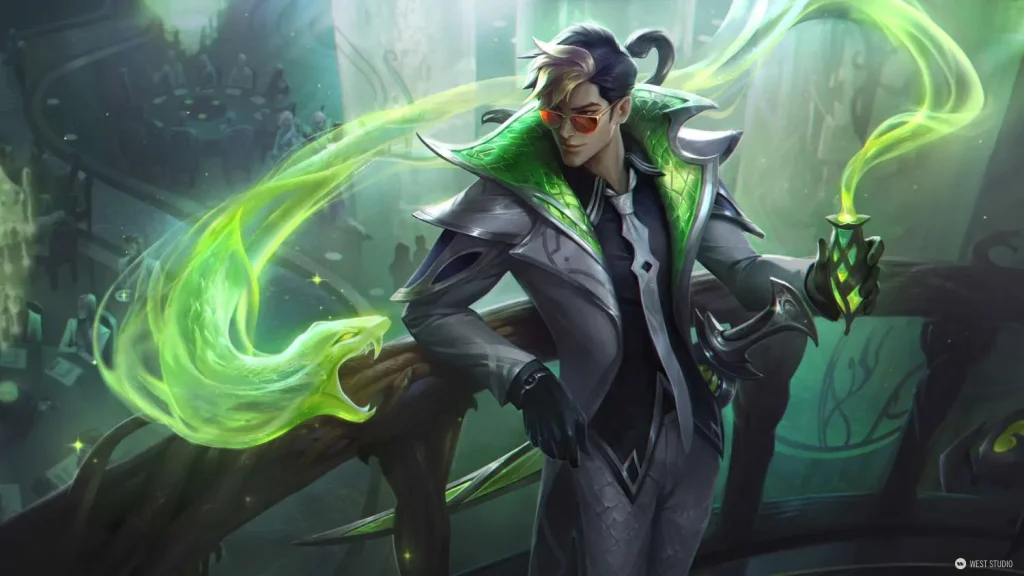
If you play titles like VALORANT, League of Legends, or Rainbow Six: Siege, you already know how patch notes work. Developers watch a weekend tournament, spot a strategy that pros coordinate to perfection, and immediately swing the nerf hammer at the characters involved.
The problem is that ranked matchmaking looks nothing like a five-player tournament stage. A tactic that dominates a championship match rarely works in solo queue, especially in lower and mid-tier ranks where teammates barely use their microphones.
Yet regular players still pay the price whenever studios prioritize balancing games for pro play over normal matchmaking health. Characters who feel completely fair in standard ranked matches suddenly lose their core strengths just because top teams figured out how to exploit them.
How Pro Play Gutted My Favorite Picks

I felt this firsthand with Viper in VALORANT after putting hundreds of hours into learning her lineups and smoke timings. Back then, she was a solid agent in ranked, though nobody in my lobbies ever complained that she was unfair or overpowered.
In professional matches, however, teams ran a double-controller meta that used Viper as a controller and sentinel hybrid. Because pros stalled out entire rounds with her utility, Riot Games nerfed her kit repeatedly until she felt clunky and miserable to play in normal ranked games.
Watching an agent I spent hundreds of hours mastering get gutted for tournament sins was genuinely disheartening. That same pattern happens constantly in League of Legends, where champions get balanced around coordinated pro drafts rather than standard solo queue.
Look at what happened with Vayne in recent seasons. She became a strong counterpick in the top lane, and instead of finding a targeted fix, Riot kept nerfing her until she felt weak in both the top lane and her primary ADC role.
The Math Behind the Ranked Majority
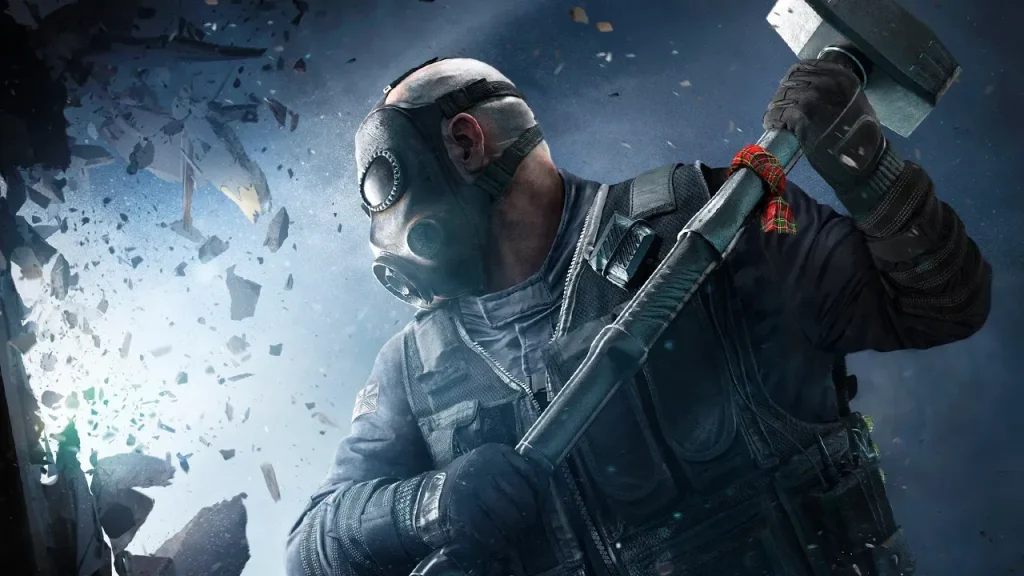
When you look at actual player numbers, the obsession with esports balance makes even less sense. Regular casual players and everyday ranked competitors make up the overwhelming majority of any live-service player base.
Professional players and high-elo streamers represent roughly one to two percent of total accounts. Designing an entire game around the top two percent leaves the other ninety-eight percent stuck with nerfed characters and stale metas.
Regular ranked players do not practice eight hours a day with a dedicated coach or execute frame-perfect utility combos. When developers insist on balancing games for pro play, they strip away fun mechanics that normal players rely on just to hold a site or survive a laning phase.
Studios That Finally Found a Better Middle Ground
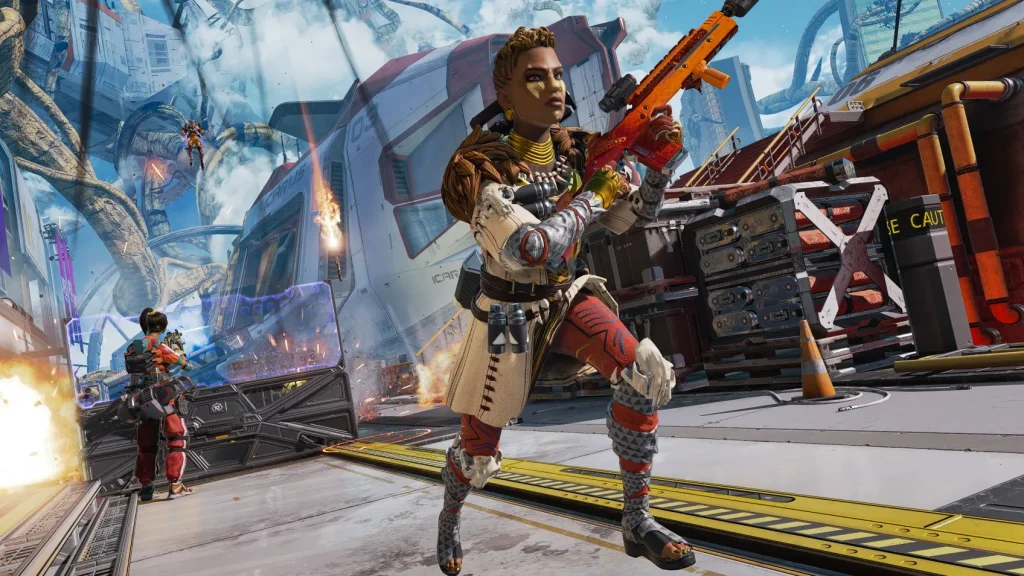
Thankfully, a few major developers have realized that ignoring the broader player base pushes people away. In my experience, Apex Legends and Overwatch are two of the rare competitive games that currently balance well for both regular ranked players and pros.
Both shooters used to fall into the exact same trap a few years ago. Back then, balance patches catered heavily to top streamers and esports complaints, which often left average ranked lobbies feeling frustrating and overly restrictive.
More recently, both teams adjusted their philosophy so that everyday ranked players can still enjoy strong, expressive kits without breaking high-level tournaments. Seeing those games bounce back proves that studios do not have to ruin casual-competitive fun just to keep esports healthy.
Listening to the Community Without Ignoring Pros
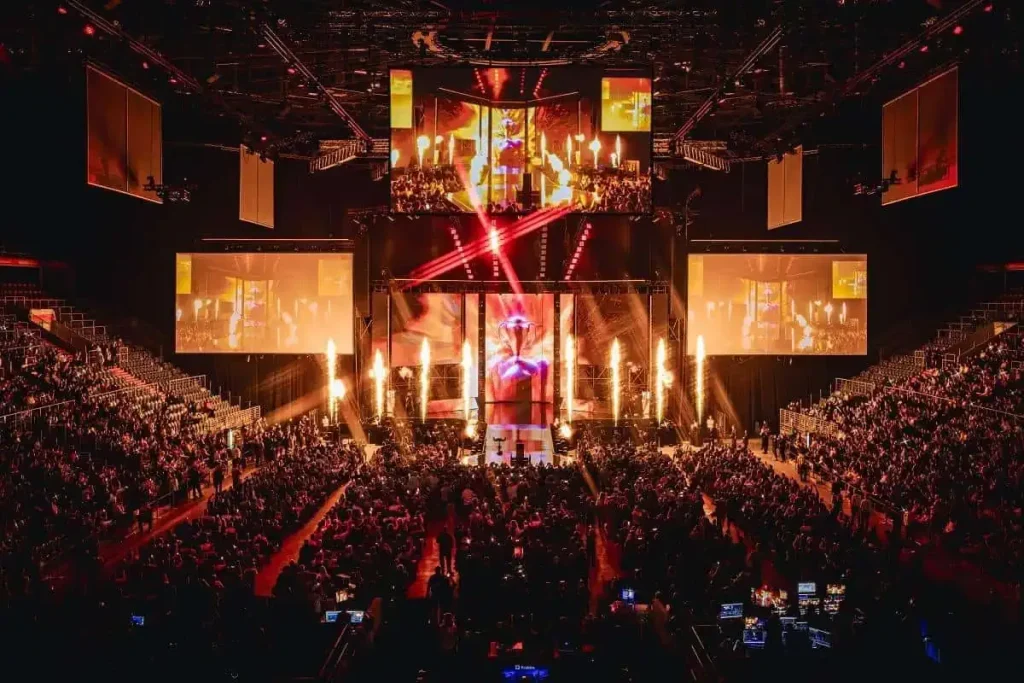
To be clear, I am not saying developers should completely ignore professional players or let broken tournament strategies run wild forever. Esports broadcasts bring excitement to competitive titles, and pro feedback can highlight genuine design flaws before they spread down the ladder.
Still, studios need to listen much closer to the broader community before gutting characters into oblivion. If an agent or champion only breaks when five world-class players coordinate over comms, the fix should target that specific pro interaction instead of ruining the character for everyone else.
Until more developers stop balancing games for pro play at the expense of normal lobbies, ranked grinders will keep losing their favorite mains to patch notes meant for someone else. A healthy competitive game should feel just as rewarding in a Silver ranked lobby as it does on a tournament stage.
Agree or disagree with this take on competitive game balance? Follow Another Gaming Post on Facebook and Instagram to join the discussion and catch our daily gaming posts!